
Lipoma Removal in Mumbai
Understanding Your Lump Is the First Step Towards Choosing the Right Treatment
Finding a soft lump beneath the skin can be concerning, even when it is painless. In many cases, these lumps are lipomas slow-growing, non-cancerous growths made up of fatty tissue. Although lipomas are usually harmless, they may gradually increase in size, cause discomfort, restrict movement, or become cosmetically bothersome depending on their location.
At Dr. Apurva Samant’s practice, Lipoma Removal in Mumbai begins with a careful clinical evaluation to confirm the nature of the lump and determine whether treatment is necessary. Every lipoma is assessed individually, taking into account its size, location, symptoms, and your concerns before discussing the most appropriate management options.
Not Every Lump Beneath the Skin Is a Lipoma
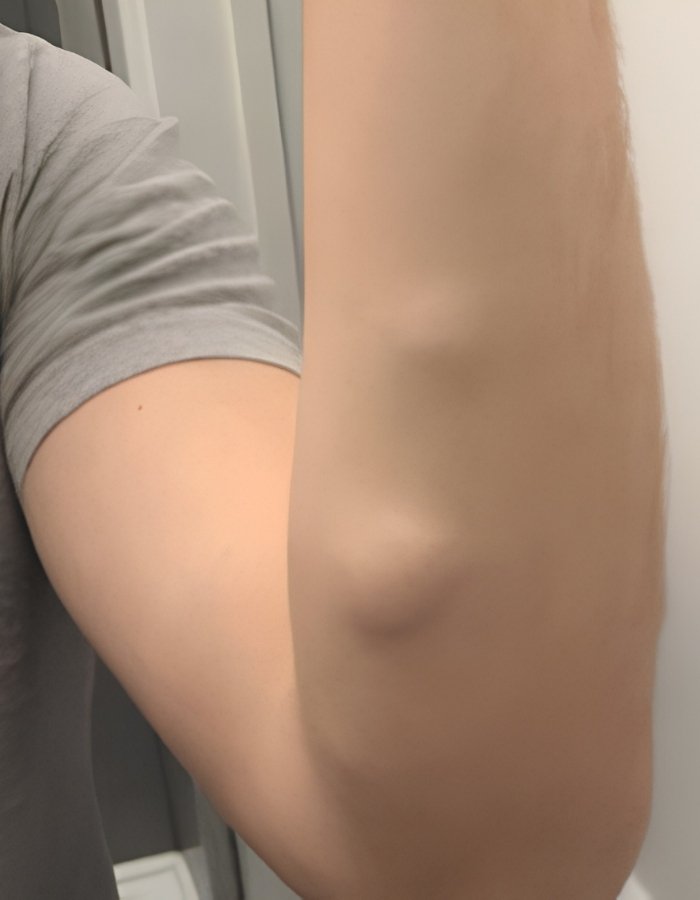
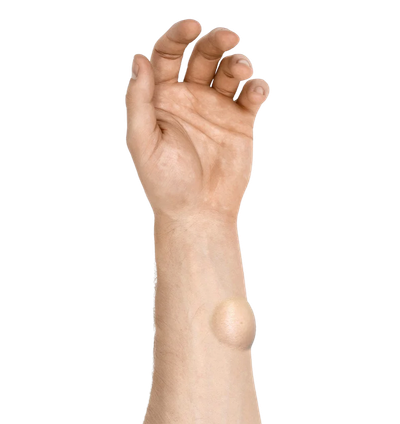
A lipoma is a benign collection of fatty tissue that develops just beneath the skin. It usually feels soft, moves easily when touched, and grows slowly over time. Lipomas can develop almost anywhere on the body but are most commonly found on the neck, shoulders, back, arms, thighs, and abdomen.
Although most lipomas are harmless and do not require urgent treatment, some may become painful, interfere with daily activities, or continue increasing in size. Other lumps beneath the skin may have different causes, making an accurate diagnosis important before planning any procedure.
A thorough examination helps distinguish a lipoma from cysts, enlarged lymph nodes, or other soft tissue swellings that may require different management.
Why Do Lipomas Develop?
The exact cause of lipomas is not always known. In many individuals, they develop without any identifiable reason. However, several factors may increase the likelihood of developing these benign fatty growths.

Genetic Predisposition

Age

Growth of Fat Cells
Minor Soft Tissue Injury

Multiple Lipomas
Body Weight
Slow Natural Growth

Unknown Causes
Because several soft tissue lumps can appear similar, clinical evaluation remains the most reliable way to establish an accurate diagnosis.
When Should You Consider Lipoma Removal?
Many lipomas remain small and symptom-free throughout life. However, removal may be recommended if the lump changes, causes discomfort, or affects your daily activities. You should consider consulting a specialist if you notice:
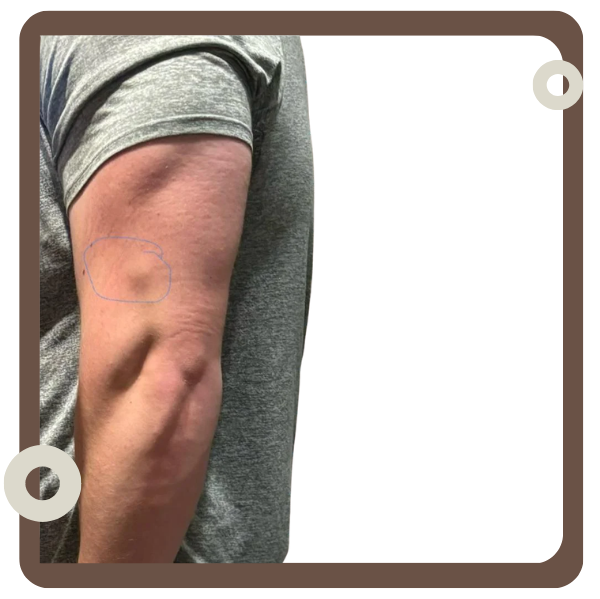
Every Lipoma Removal Begins with a Thorough Clinical Evaluation
Although many lipomas have characteristic features, every lump should be examined carefully before treatment. The consultation helps confirm the diagnosis, assess whether additional investigations are needed, and determine the safest treatment approach. During your consultation, Dr. Apurva Samant carefully evaluates:
The size and location of the lump.
Presence of pain or tenderness.
Its consistency and mobility beneath the skin.
Previous history of similar swellings.
Duration of the swelling and any recent changes.
Medical conditions affecting surgery or healing.
Lipoma Removal Is Planned According to Its Size and Location
The objective is to remove the lipoma safely while preserving surrounding healthy tissue and supporting a smooth recovery.
Not every lipoma requires immediate surgery, and not every lipoma is removed in the same way. The treatment approach depends on its size, depth, location, symptoms, and relationship to surrounding tissues. Depending on your clinical findings, management may include:
- Observation for small, symptom-free lipomas.
- Surgical removal for enlarging or symptomatic lipomas.
- Removal under local anaesthesia in suitable cases.
- Careful planning for larger or deeper lipomas.
- Histopathological examination after removal when appropriate.
- Wound closure planned to support good healing.
Recovery After Lipoma Removal Usually Progresses Smoothly
Most patients recover well after lipoma removal, particularly when the lump is small and located just beneath the skin. The recovery period depends on the size and depth of the lipoma, its location, and the extent of the procedure. Following the recommended wound care instructions helps support healing and reduces the risk of complications.
Some mild discomfort, swelling, or bruising around the surgical site is expected during the initial healing period and generally improves gradually over the following days.
A typical recovery journey may include:
First Few Days
Mild swelling, bruising, or tenderness around the incision is common and gradually settles.
One Week
The wound begins healing, and many patients can comfortably resume most routine activities.
Two to Three Weeks
Discomfort continues to improve, and the incision becomes stronger as healing progresses.
Follow-up Visit
The surgical site is examined, and stitches are removed if non-dissolvable sutures have been used.
Scar Maturation
The scar gradually softens and becomes less noticeable over the following months.
Long-Term Recovery
Once healing is complete, most patients return to normal activities without ongoing limitations.
Several Factors Influence Your Healing
Every individual heals differently after surgery. While lipoma removal is generally a straightforward procedure, several factors influence wound healing and the final appearance of the surgical scar.
Size of the Lipoma – Larger lipomas may require a slightly longer recovery than smaller superficial growths.
Depth of the Lipoma – Lipomas extending deeper beneath the skin may require a more extensive procedure and recovery.
Smoking – Smoking can reduce blood supply to healing tissues and may delay recovery.
Physical Activity – Avoiding excessive strain on the operated area during early recovery helps protect the healing wound.
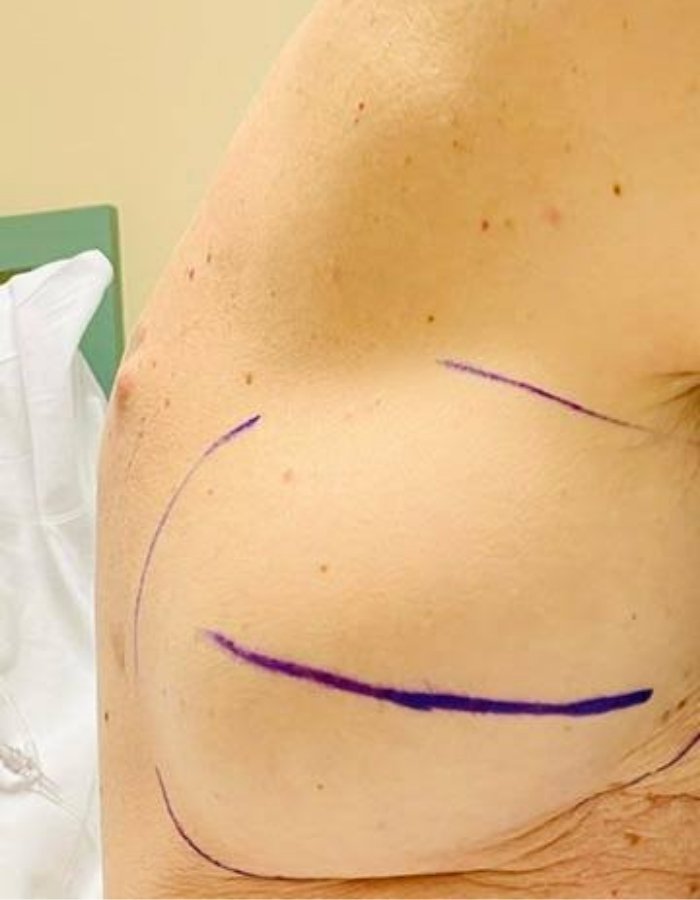
Location on the Body – Areas exposed to frequent movement or tension may take longer to heal completely.
General Health – Medical conditions such as diabetes or reduced immunity may influence wound healing.
Wound Care Instructions – Keeping the incision clean and follow postoperative advice.
Individual Healing Response – Each person’s skin heals differently, influencing scar formation and overall recovery.
Why Patients Trust Dr. Apurva Samant for Lipoma Removal in Mumbai
Although lipoma removal is considered a minor surgical procedure, achieving a safe outcome requires careful diagnosis, precise surgical planning, and meticulous wound closure. Every lump should first be evaluated to confirm that it is consistent with a lipoma and to determine whether removal is the most appropriate option.
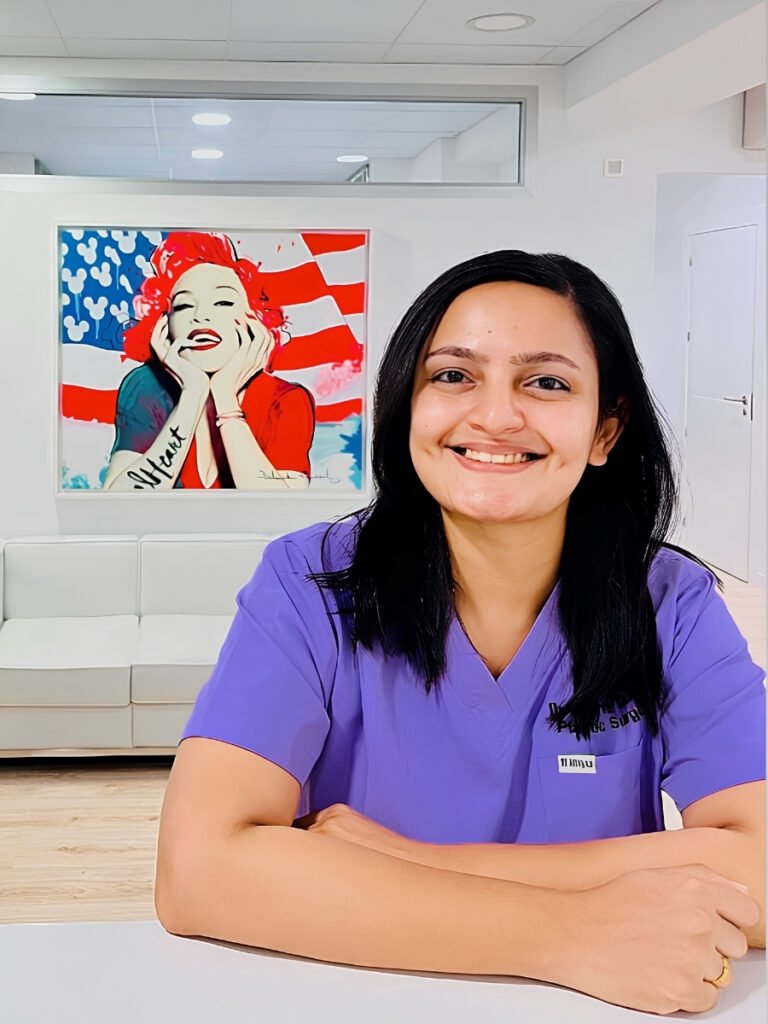
As a Board-Certified Plastic & Cosmetic Surgeon, Dr. Apurva Samant approaches every procedure with careful attention to both surgical safety and cosmetic healing. Each patient undergoes a detailed clinical assessment before surgery, and the procedure is planned according to the lipoma’s size, location, and relationship with surrounding tissues.
Whether your concern is a small painless lump or a larger lipoma causing discomfort, Dr. Apurva Samant provides a comprehensive evaluation to determine whether removal is indicated and discusses the most suitable treatment approach for your individual situation.
Frequently Asked Questions About Lipoma Removal in Mumbai
Are lipomas cancerous?
Most lipomas are benign (non-cancerous) fatty growths. However, any new or enlarging lump should be examined by a specialist to confirm the diagnosis.
Does every lipoma need to be removed?
No. Small, symptom-free lipomas may simply be observed. Removal is usually considered if the lipoma causes pain, continues to grow, restricts movement, or creates cosmetic concerns.
Is lipoma removal performed under local anaesthesia?
Many lipomas can be removed under local anaesthesia, although larger or deeper lipomas may occasionally require a different anaesthetic approach depending on their location.
Will the lipoma come back after removal?
Complete removal generally has a low recurrence rate, although new lipomas can develop in other areas of the body.
Will there be a scar after surgery?
Yes. Because the lipoma is removed through an incision, a scar is expected. The scar usually becomes softer and less noticeable as it matures.
How long does recovery usually take?
Most patients return to normal daily activities within a few days to a week, although complete healing continues over several weeks.
Take the First Step Towards Safe and Effective Lipoma Removal
Schedule a consultation with Dr. Apurva Samant to discuss your concerns, understand the available treatment options, and receive a comprehensive assessment for Lipoma Removal in Mumbai.