
Acne Treatment in Mumbai
Clear Skin Begins with Understanding What Is Causing Your Acne
Acne is one of the most common skin conditions, affecting teenagers and adults alike. While many people associate acne with occasional pimples, it can range from mild breakouts to persistent, painful lesions that leave behind scars and pigmentation. Because every person’s skin is different, treating acne successfully requires more than simply using over-the-counter products or following skincare trends.
At Dr. Apurva Samant’s practice, Acne Treatment in Mumbai begins with identifying the underlying causes of your breakouts rather than simply treating the visible pimples. A detailed skin evaluation helps determine the type and severity of acne, the factors contributing to it, and the most appropriate treatment approach. The goal is not only to control active acne but also to reduce the risk of long-term scarring and help maintain healthier skin over time.
Acne Is More Than Just Pimples
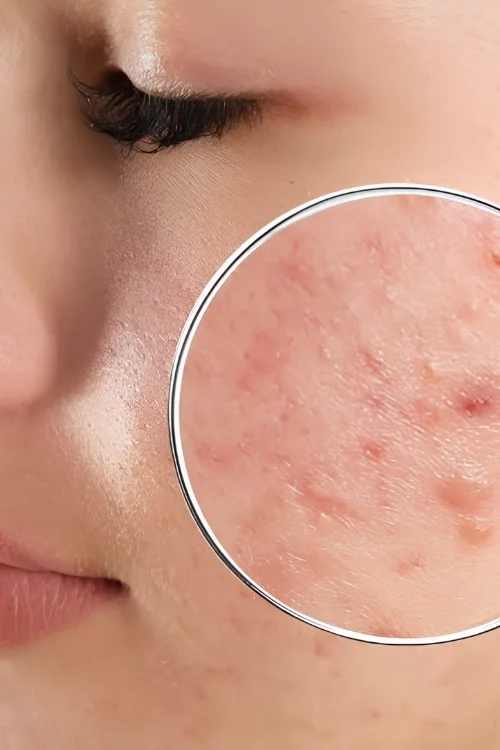
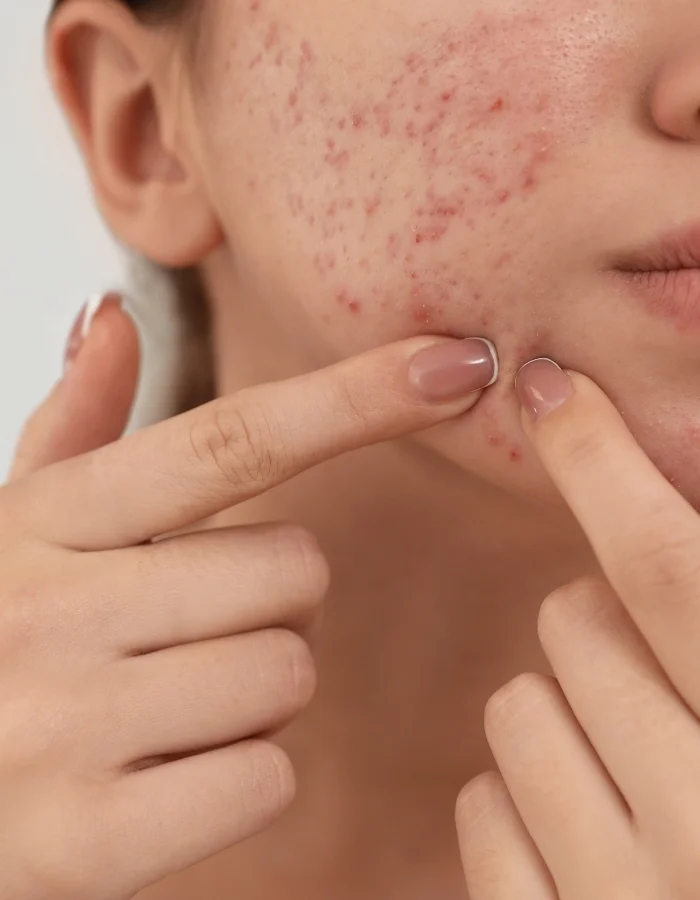
Acne develops when the hair follicles in the skin become blocked by excess oil, dead skin cells, and other debris. This creates an environment where acne-causing bacteria can multiply, leading to inflammation, redness, and different types of breakouts.
While acne is most commonly seen during adolescence, it can also affect adults due to hormonal changes, stress, genetics, or other underlying factors. Some individuals experience occasional breakouts, while others develop persistent acne that requires medical treatment.
Without appropriate care, repeated inflammation may increase the risk of permanent acne scars, dark marks, and uneven skin texture. Early evaluation and timely treatment can help reduce these complications while improving the overall health and appearance of the skin.
Why Does Acne Develop?
Acne usually develops due to a combination of factors rather than a single cause. Understanding these contributing factors helps determine the most effective treatment plan and reduces the likelihood of recurring breakouts.

Excess Oil Production

Blocked Hair Follicles

Hormonal Changes

Acne-Causing Bacteria
Certain Medications

Stress

Dietary Factors

Friction and Excessive Sweating
Because several factors often occur together, identifying the underlying cause is an important step towards effective Acne Treatment in Mumbai.
When Should You Seek Treatment for Acne?
Occasional pimples often settle without medical treatment, but persistent or worsening acne should not be ignored. Early treatment can help control inflammation, reduce discomfort, and lower the risk of permanent acne scars. You should consider consulting a specialist if you experience:
Every Effective Acne Treatment Begins with a Thorough Skin Evaluation
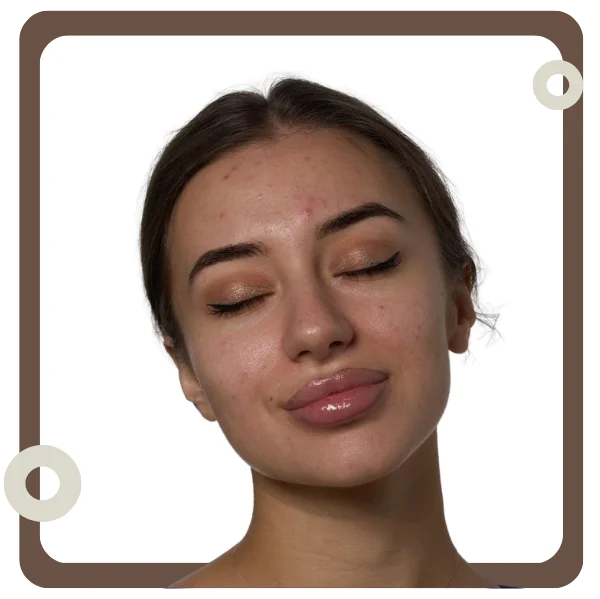
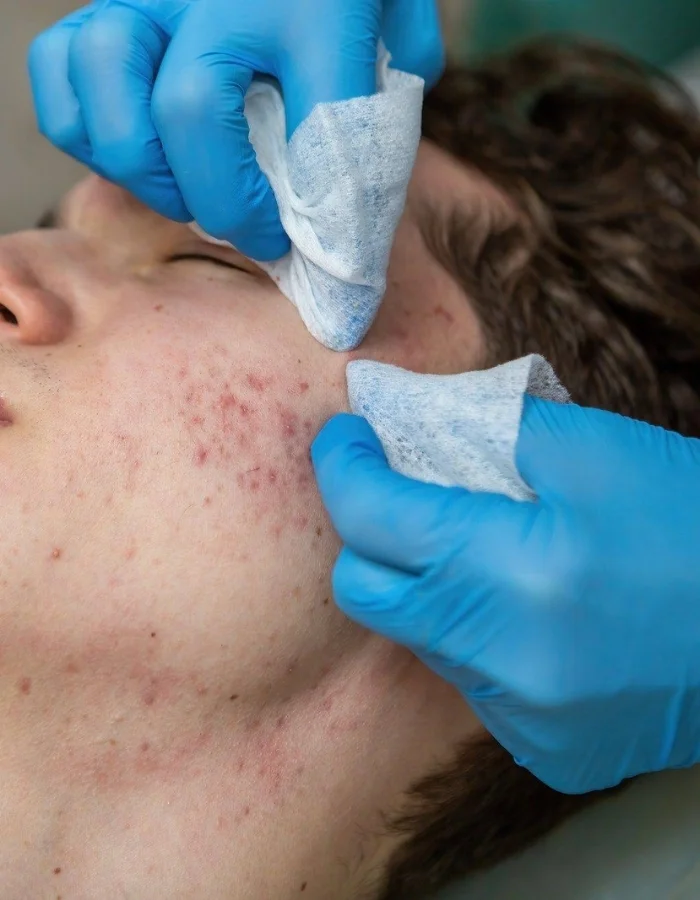
Successful acne treatment starts with understanding your skin rather than prescribing the same treatment for every patient. During your consultation, Dr. Apurva Samant carefully evaluates the type of acne, its severity, and the factors contributing to your breakouts before recommending a treatment plan. Your consultation may include an assessment of:
What Can You Expect During Acne Treatment?
Acne treatment is a gradual process rather than a one-time procedure. Most patients require regular follow-up visits so that the skin’s response can be monitored and treatment can be modified when necessary.
Your treatment journey generally includes:
- A detailed consultation and skin assessment.
- Identifying factors contributing to your acne.
- Developing a treatment plan based on your skin condition.
- Guidance on skincare and daily skin care habits.
- Regular follow-up appointments to monitor progress.
- Adjustments to treatment based on your response.
Clearer Skin Takes Time - Healthy Improvement Happens Gradually
Acne does not develop overnight, and it rarely disappears immediately after starting treatment. Most treatments work by reducing inflammation, controlling oil production, preventing new breakouts, and allowing the skin time to heal naturally. Understanding this gradual process helps set realistic expectations and encourages consistency with treatment.
Some people notice an improvement within a few weeks, while others with moderate or severe acne may require several months before significant changes become visible. Regular follow-up appointments allow treatment to be adjusted according to your skin’s response.
A typical treatment journey may include:
First Few Weeks
Active inflammation begins to reduce, although new breakouts may still occur.
One Month
Existing acne starts improving, and the frequency of new lesions often decreases.
Two to Three Months
More noticeable improvement in skin texture and acne control becomes visible
Continued Treatment
The skin continues to heal while the risk of new breakouts gradually reduces.
Maintenance Phase
A simplified skincare routine may help maintain results and reduce recurrence.
Long-Term Care
Ongoing skin protection and regular reviews help support healthy skin over time.
Several Factors Influence Your Treatment Results
Every person’s skin responds differently to acne treatment. While appropriate medical care plays an important role, several individual factors influence how quickly the skin improves and how effectively future breakouts can be controlled.
Severity of Acne – Mild acne often improves more quickly, while moderate or severe acne usually requires a longer course of treatment.
Treatment Consistency – Using prescribed medications regularly and following the recommended skincare routine supports better long-term results.
Skin Type – Oil production, skin sensitivity, and overall skin health can influence both treatment selection and response.
Lifestyle and General Health – Diet, sleep, stress, and overall wellbeing may influence the frequency and severity of acne flare-ups.
Hormonal Influence – Hormonal fluctuations may continue to contribute to acne and sometimes require additional medical management.
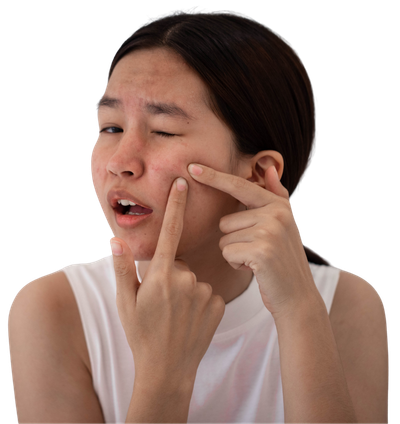
Avoiding Picking or Squeezing Pimples – Manipulating acne lesions increases inflammation and may lead to permanent scarring or pigmentation.
Sun Protection – Protecting the skin from excessive sun exposure helps reduce post-acne pigmentation and supports healthy skin recovery.
Regular Follow-Up – Review appointments allow treatment to be modified according to your progress and changing skin condition.
Why Patients Trust Dr. Apurva Samant for Acne Treatment in Mumbai
Managing acne requires more than treating visible pimples. It involves identifying the underlying causes, understanding the type and severity of acne, preventing long-term skin damage, and selecting treatments that are appropriate for each stage of the condition. Early intervention can also help reduce the likelihood of permanent acne scars and pigmentation.
As a Board-Certified Plastic & Cosmetic Surgeon with experience in both medical and procedural skin treatments, Dr. Apurva Samant approaches acne with careful clinical evaluation and evidence-based treatment planning. Every patient receives a detailed skin assessment before treatment recommendations are made, ensuring that active acne, existing scars, and contributing factors are all considered.
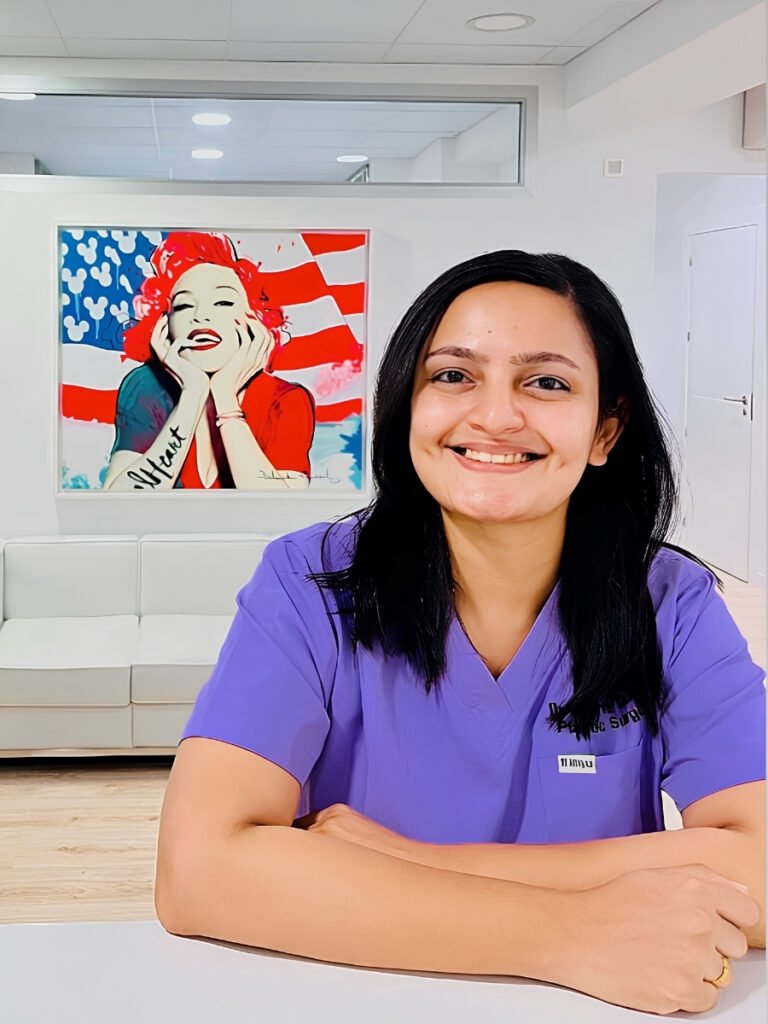
Whether you are dealing with occasional breakouts, persistent adult acne, or acne that has started leaving scars, Dr. Apurva Samant provides a comprehensive evaluation to help identify the underlying cause and recommend the most appropriate treatment for your skin.
Frequently Asked Questions About Acne Treatment in Mumbai
Can acne be treated permanently?
Acne can often be controlled effectively, but the long-term outcome depends on its underlying cause. Some individuals require ongoing maintenance to reduce future breakouts.
Why do I still have acne as an adult?
Adult acne may be influenced by hormonal changes, genetics, stress, certain medications, or skincare products. A detailed evaluation helps identify contributing factors.
How long does acne treatment usually take?
The timeline varies depending on the severity of acne and the treatment recommended. Many patients begin noticing improvement within several weeks, while more significant changes may take a few months.
Can acne scars be prevented?
Early treatment of active acne reduces inflammation and lowers the risk of permanent scars. Avoiding picking or squeezing pimples also plays an important role.
Is it safe to pop pimples at home?
No. Squeezing acne lesions may increase inflammation, spread infection, and increase the likelihood of scarring or pigmentation.
Can diet affect acne?
Take the First Step Towards Healthier, Clearer Skin
Schedule a consultation with Dr. Apurva Samant to discuss your skin concerns, understand the available treatment options, and receive a comprehensive assessment for Acne Treatment in Mumbai.