Rhinoplasty Surgery in Mumbai
A Well-Balanced Nose Can Enhance Overall Facial Harmony
The nose plays a central role in facial appearance and also performs the essential function of allowing comfortable breathing. Some people are unhappy with the shape, size, or proportions of their nose, while others experience difficulty breathing because of structural abnormalities or previous injuries. Rhinoplasty is a surgical procedure that can address cosmetic concerns, functional problems, or both, depending on the individual’s needs.
At Dr. Apurva Samant’s practice, Rhinoplasty Surgery in Mumbai begins with a detailed assessment of your facial proportions, nasal anatomy, skin quality, and breathing function. Every treatment plan is carefully developed to achieve a nose that looks natural, remains in balance with the rest of the face, and preserves or improves normal nasal function.
Rhinoplasty Is About Refining the Nose While Preserving Natural Features
Rhinoplasty is a surgical procedure performed to reshape the nose by modifying the underlying bone, cartilage, or soft tissues. Depending on the patient’s concerns, surgery may improve the size, profile, tip, bridge, nostrils, or overall symmetry of the nose. In many cases, rhinoplasty can also correct structural problems that interfere with breathing.
The objective is not to create a completely different nose but to improve facial balance while respecting each individual’s natural features. Because every nose has unique anatomical characteristics, surgery is planned according to the patient’s facial structure rather than following a standard technique.
A detailed consultation helps determine whether rhinoplasty is appropriate and what changes can realistically be achieved.
Why Do People Consider Rhinoplasty?
Patients choose rhinoplasty for a variety of cosmetic and functional reasons. Understanding the underlying concern helps guide surgical planning and ensures the procedure addresses both appearance and nasal function where required.
Broad Nose
Drooping Nasal Tip
Bulbous Nasal Tip
Crooked Nose
Breathing Difficulties
Previous Nasal Injury

Congenital Nasal Shape
Facial Balance
Careful evaluation helps determine which concerns can be addressed safely through rhinoplasty.
When Should You Consider Rhinoplasty?
Rhinoplasty is an elective procedure that should be considered only after careful assessment and a clear understanding of the expected outcomes. A consultation helps determine whether surgery is appropriate for your concerns and overall health. You should consider consulting a specialist if you have:
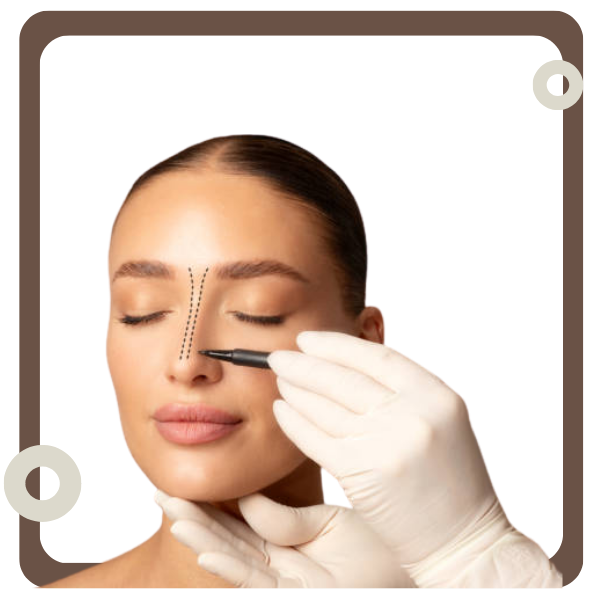
Planning rhinoplasty involves much more than evaluating the external appearance of the nose. The internal nasal structures, facial proportions, skin thickness, and breathing function all influence surgical planning and the expected outcome.
Overall facial proportions.
Shape and symmetry of the nose.
Skin thickness and quality.
Internal nasal structures affecting breathing.
Nasal bridge and tip anatomy.
Previous injuries or nasal surgery.
Rhinoplasty Is Planned According to Your Facial Anatomy
Every nose has unique structural characteristics, making individual surgical planning essential. The procedure is designed to improve facial balance while maintaining normal nasal support and function. Depending on your clinical assessment, treatment may include:
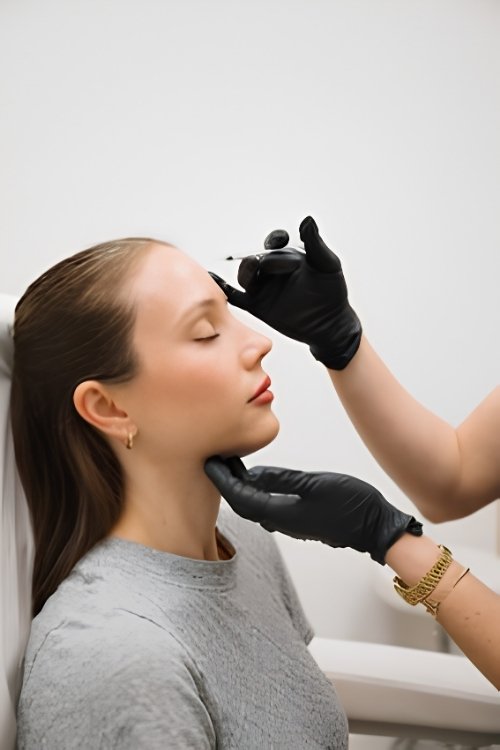
- Reduction of a prominent nasal bridge.
- Refinement of the nasal tip.
- Correction of nasal asymmetry.
- Reshaping of the nostrils where appropriate.
- Straightening of a crooked nose.
- Structural correction to improve breathing.
Recovery After Rhinoplasty Requires Patience
The nose undergoes gradual changes during the healing process following rhinoplasty. While the initial recovery period is relatively short for most patients, subtle swelling can take several months to fully resolve, particularly around the nasal tip. Understanding this timeline helps set realistic expectations and allows the final result to develop naturally.
Most patients are able to return to routine activities within a couple of weeks, although the nose continues refining internally and externally over time. Regular follow-up appointments help monitor healing and ensure recovery is progressing as expected.
A typical recovery journey may include:
First Few Days
Mild swelling, bruising around the eyes, and nasal congestion are common.
One Week
External splints are usually removed, and visible bruising often begins to improve.
Two to Three Weeks
Most swelling around the face settles, allowing a more natural appearance.
Several Months
Residual swelling gradually reduces, particularly around the nasal tip.
Continued Refinement
The shape of the nose continues to improve as tissues settle.
Long-Term Healing
Final results become more apparent as the nose completes the healing process.
Several Factors Influence Your Results
Every patient’s healing process is unique. While surgical planning and technique are important, the final outcome is also influenced by several individual factors.
Skin Thickness – Thicker skin may take longer to reveal refined nasal contours compared to thinner skin.
Extent of Surgical Changes – More complex corrections may require a longer healing and refinement period.
Previous Nasal Surgery – Revision rhinoplasty cases often involve additional complexity due to existing scar tissue.
Following Postoperative Instructions – Protecting the nose and adhering to recovery guidelines supports optimal healing.
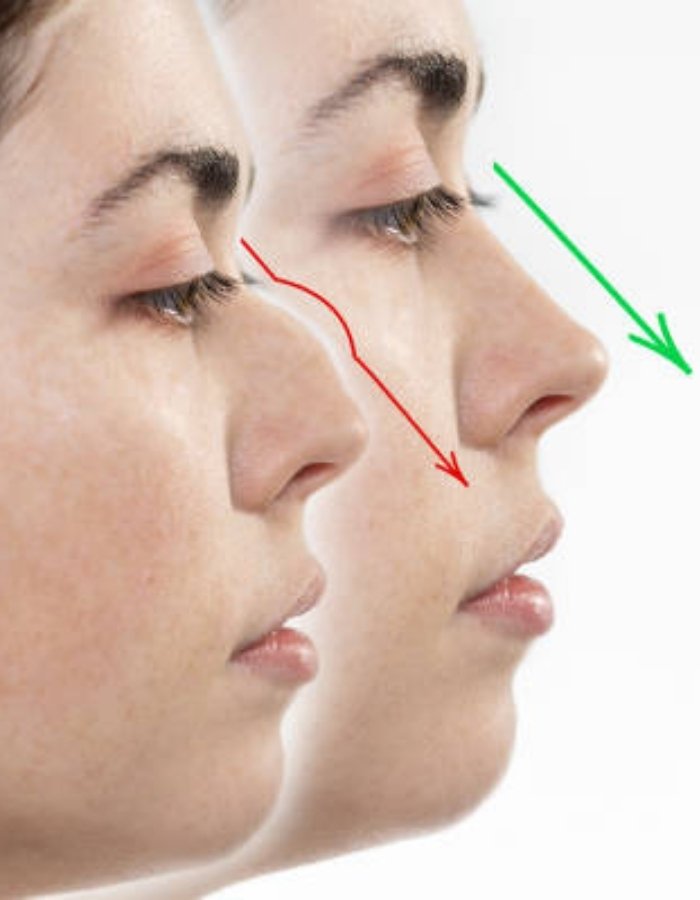
Nasal Anatomy – The structure of the bone, cartilage, and soft tissues influences both surgical planning and outcomes.
Healing Response – Each individual’s body heals differently, affecting swelling and tissue remodelling.
History of Nasal Injury – Past trauma may influence nasal structure and surgical planning.
Regular Follow-Up – Routine reviews help monitor recovery and address concerns during the healing process.

Why Patients Trust Dr. Apurva Samant for Rhinoplasty Surgery in Mumbai
Rhinoplasty is one of the most technically demanding procedures in facial plastic surgery because it requires balancing aesthetics with function. Every adjustment to the nose affects not only appearance but also structural support and breathing. Successful rhinoplasty requires careful planning, precise execution, and a detailed understanding of nasal anatomy.
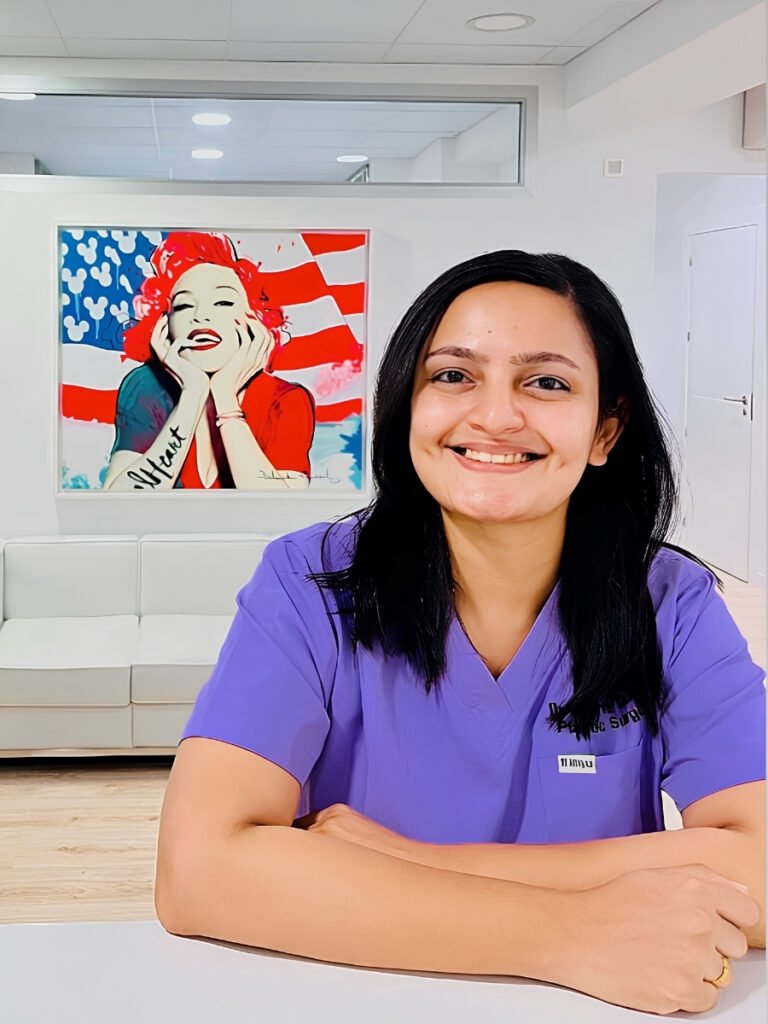
As a Board-Certified Plastic & Cosmetic Surgeon, Dr. Apurva Samant performs a comprehensive evaluation before recommending surgery. Facial proportions, nasal structure, skin quality, airway function, and the patient’s goals are all carefully assessed to develop an appropriate surgical plan.
Whether your concern is pregnancy-related melasma, hormone-associated pigmentation, or persistent facial dark patches, Dr. Apurva Samant provides a comprehensive assessment to determine the most appropriate treatment for your skin.
Frequently Asked Questions About Rhinoplasty Surgery in Mumbai
Will rhinoplasty make my nose look artificial?
The goal of rhinoplasty is to create a natural-looking nose that remains proportionate to your facial features. Surgical planning focuses on balance rather than dramatic alteration.
Can rhinoplasty improve breathing problems?
Yes. In selected patients, rhinoplasty can be combined with structural correction to improve airflow and nasal function.
How long does rhinoplasty recovery take?
Most patients return to routine activities within one to two weeks, although subtle swelling may continue to improve for several months.
Will there be visible scars?
Many rhinoplasty techniques place incisions inside the nose. When external incisions are required, they are typically positioned in areas designed to heal discreetly.
At what age can rhinoplasty be performed?
Rhinoplasty is generally considered after facial growth is sufficiently complete. A consultation helps determine suitability based on age and anatomy.
Can a nose be corrected after a previous rhinoplasty?
Yes. Revision rhinoplasty may be an option for selected patients, although it is often more complex than primary surgery.
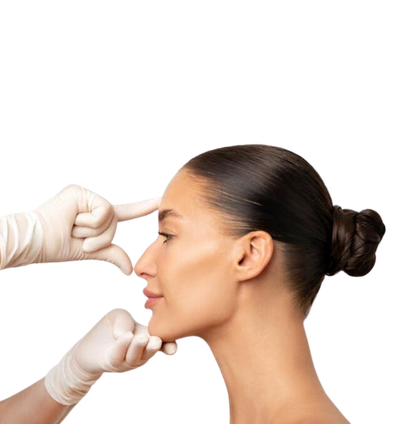
Take the First Step Towards Better Facial Balance and Nasal Function
Schedule a consultation with Dr. Apurva Samant to discuss your concerns, understand the available treatment options, and receive a comprehensive assessment for Rhinoplasty Surgery in Mumbai.