
Pigmentation Treatment in Mumbai
Healthier, More Even-Toned Skin Begins with Understanding the Cause of Pigmentation
Changes in skin colour can develop gradually or appear suddenly, leaving many people concerned about uneven skin tone, dark patches, or persistent spots that do not fade with regular skincare. While pigmentation is usually harmless, it often reflects changes occurring within the skin and may require professional evaluation to determine the underlying cause.
At Dr. Apurva Samant’s practice, Pigmentation Treatment in Mumbai begins with understanding why the pigmentation has developed rather than simply trying to lighten the affected areas. A detailed skin assessment helps identify the type of pigmentation, evaluate contributing factors, and recommend treatments that support healthier, more even-looking skin while maintaining realistic expectations.
Pigmentation Is More Than Just Uneven Skin Colour
Pigmentation occurs when the skin produces excess melanin, the natural pigment responsible for skin colour. This increase in melanin may result in dark spots, patches, or uneven skin tone that can develop on the face or other sun-exposed areas of the body.
Different forms of pigmentation have different causes. Some develop after acne or skin inflammation, while others are associated with hormonal changes, prolonged sun exposure, certain medications, or the natural ageing process. Because each type behaves differently, successful treatment depends on accurately identifying the underlying cause rather than treating all pigmentation in the same way.
Early evaluation can also help distinguish common pigmentation concerns from other skin conditions that may require different management.
Why Does Pigmentation Develop?
Pigmentation usually develops due to multiple contributing factors rather than a single cause. Identifying these influences helps guide appropriate treatment and improves the likelihood of achieving a more even skin tone.

Sun Exposure

Hormonal Changes

Post-Inflammatory Pigmentation

Age-Related Pigmentation

Certain Medications

Skin Irritation

Heat and Environmental Factors

Inadequate Sun Protection
Because pigmentation can have several contributing factors, a thorough assessment is essential before beginning treatment.
When Should You Seek Pigmentation Treatment?
Many areas of pigmentation gradually become darker over time if the underlying cause is not addressed. Seeking professional advice early allows the condition to be evaluated and appropriate treatment to begin before the pigmentation becomes more established. You should consider consulting a specialist if you notice:
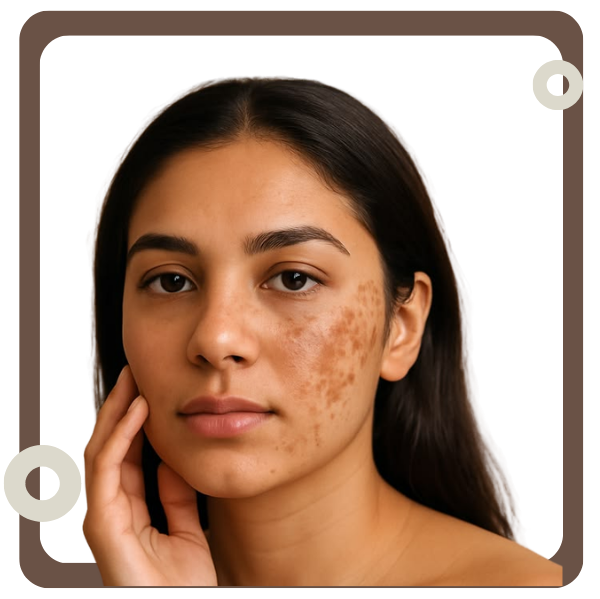
Every Effective Pigmentation Treatment Begins with a Thorough Skin Evaluation
Not every dark spot has the same cause. Some pigmentation lies close to the skin surface, while other types develop deeper within the skin, requiring different treatment approaches. A careful evaluation helps determine both the type of pigmentation and the factors contributing to its development. During your consultation, Dr. Apurva Samant carefully evaluates:
The type and pattern of pigmentation.
Previous pigmentation treatments and results.
The depth and distribution of pigment.
Hormonal history and associated factors.
Your skin type and natural complexion.
Sun exposure and daily skincare habits.
What Can You Expect During Pigmentation Treatment?
Improving pigmentation is usually a gradual process that requires patience and consistency. The treatment journey begins with identifying the underlying cause, followed by a structured plan that combines medical skincare, procedures when appropriate, and long-term skin protection. The objective is to gradually improve skin tone while protecting the skin’s natural barrier and reducing the likelihood of future pigmentation.
Your treatment journey generally includes:

- A detailed skin consultation and examination.
- Identifying the type and cause of pigmentation.
- Developing an appropriate treatment strategy.
- Guidance on skincare products and sun protection.
- Regular follow-up visits to assess improvement.
- Adjustments to treatment based on skin response.
Pigmentation does not usually develop overnight, and it rarely fades immediately after starting treatment. Whether the pigmentation is caused by sun exposure, hormones, inflammation, or ageing, the skin requires time to respond to treatment and gradually regulate melanin production.
Some patients begin noticing subtle improvements within a few weeks, while deeper or long-standing pigmentation may require several months of consistent treatment. Regular review appointments allow your progress to be monitored and treatment to be adjusted according to your skin’s response.
A typical treatment journey may include:
The skin begins adapting to treatment while pigment production gradually reduces.
Some areas may start appearing lighter, and the overall skin tone may look more even.
More noticeable improvement in pigmentation and skin clarity often becomes visible.
Existing pigmentation continues to fade while the risk of new pigmentation is reduced.
Ongoing skincare and sun protection help preserve treatment results.
Regular skin care habits and follow-up visits support healthier, more even-toned skin.
Several Factors Influence Your Treatment Results
Every person’s skin responds differently to pigmentation treatment. The speed and extent of improvement depend not only on the treatment itself but also on several individual factors that influence pigment production and skin healing. These include:
Type of Pigmentation – Different forms of pigmentation respond differently, with some improving more quickly than others.
Depth of Pigment – Pigment located deeper within the skin often requires a longer treatment period than superficial pigmentation.
Hormonal Influences – Hormonal changes may continue to contribute to pigmentation and sometimes require additional medical management.
Treatment Consistency – Following the recommended treatment plan and skincare routine supports gradual, long-term improvement.

Skin Type – Your natural skin tone and sensitivity influence both treatment selection and the pace of improvement.
Sun Exposure – Ongoing exposure to ultraviolet rays can worsen pigmentation and slow treatment progress without proper protection.
Daily Skincare Habits – Using appropriate cleansers, moisturisers, and sunscreen helps protect the skin and maintain treatment results.
Regular Follow-Up – Review appointments allow treatment to be modified according to your skin’s progress and changing needs.
Why Patients Trust Dr. Apurva Samant for Pigmentation Treatment in Mumbai
Treating pigmentation involves more than simply lightening dark patches. It requires understanding why the pigmentation has developed, identifying its depth within the skin, recognising contributing factors such as hormones or sun damage, and selecting treatments that improve skin tone while protecting overall skin health.
As a Board-Certified Plastic & Cosmetic Surgeon with experience in medical and aesthetic skin treatments, Dr. Apurva Samant evaluates each patient individually before recommending treatment. Every consultation focuses on identifying the underlying cause of pigmentation and developing a structured treatment plan that aims for gradual, natural-looking improvement while maintaining healthy skin.

Whether your concern is post-acne pigmentation, sun-induced spots, melasma, or uneven skin tone, Dr. Apurva Samant provides a comprehensive evaluation to identify the underlying cause and recommend the most appropriate treatment for your skin.
Frequently Asked Questions About Pigmentation Treatment in Mumbai
Can pigmentation be treated permanently?
Why has my pigmentation become darker over time?
Pigmentation may gradually darken due to continued sun exposure, hormonal influences, skin inflammation, or the absence of appropriate treatment and sun protection.
How long does pigmentation treatment usually take?
The timeline depends on the type and depth of pigmentation. Some patients notice improvement within a few weeks, while more persistent pigmentation may require several months of treatment.
Will I need procedures as well as skincare products?
Not always. Some forms of pigmentation respond well to medical skincare alone, while others may benefit from procedures such as chemical peels or laser treatments after a detailed evaluation.
Can pigmentation return after treatment?
Yes. Certain forms of pigmentation may recur, particularly if underlying causes such as sun exposure or hormonal changes continue. Maintenance skincare and regular sun protection help reduce this risk.
Is sunscreen necessary even after pigmentation improves?
Yes. Daily sun protection is one of the most important parts of preventing existing pigmentation from becoming darker and reducing the likelihood of new pigmentation developing.

Schedule a consultation with Dr. Apurva Samant to discuss your skin concerns, explore the available treatment options, and receive a comprehensive assessment for Pigmentation Treatment in Mumbai.