
Melasma Treatment in Mumbai
Understanding the Cause of Melasma Is the First Step Towards Healthier, More Even-Toned Skin
Melasma is a common skin condition that causes brown or grey-brown patches to appear on the face, particularly on the cheeks, forehead, nose, upper lip, and chin. Although it is not harmful, melasma can become more noticeable over time and often affects an individual’s confidence. Because several internal and external factors influence its development, treatment begins with identifying the underlying cause rather than simply trying to lighten the skin.
At Dr. Apurva Samant’s practice, Melasma Treatment in Mumbai starts with a detailed skin evaluation to understand the pattern, depth, and possible triggers behind the pigmentation. By identifying these contributing factors, treatment can be planned more effectively with the aim of improving skin tone while maintaining realistic expectations about long-term management.
Melasma Is More Than Just Facial Pigmentation
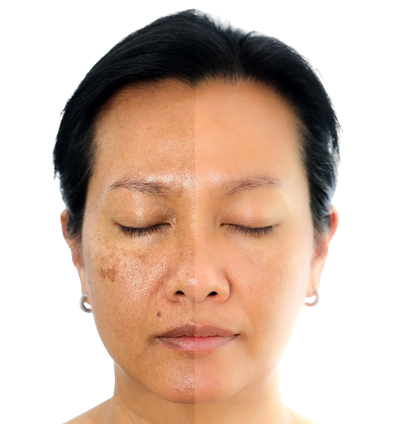
Melasma develops when pigment-producing cells in the skin become overactive, leading to patches of increased melanin. Unlike freckles or isolated dark spots, melasma usually appears symmetrically on both sides of the face and often becomes more noticeable after sun exposure.
The condition commonly affects women but can also occur in men. Hormonal changes, pregnancy, certain medications, genetics, and ultraviolet exposure all play an important role in its development. Because melasma tends to recur, successful treatment focuses not only on reducing existing pigmentation but also on preventing future flare-ups.
Early assessment helps distinguish melasma from other pigmentation disorders, allowing treatment to be planned according to the specific characteristics of the condition.
Why Does Melasma Develop?
Melasma usually develops because several factors work together to stimulate excess melanin production. Identifying these triggers helps guide treatment and supports long-term management.

Sun Exposure

Skin Sensitivity

Hormonal Changes

Heat Exposure

Certain Medications

Cosmetic or Skin Irritation

Underlying Hormonal Conditions

Age and Environmental Factors
Because melasma develops due to multiple factors, identifying these influences is essential before beginning treatment.
When Should You Seek Melasma Treatment?
Melasma often develops gradually, making it easy to ignore in its early stages. However, delaying treatment may allow pigmentation to become more established and more difficult to improve. You should consider consulting a specialist if you notice:

Every Effective Melasma Treatment Begins with a Thorough Skin Evaluation
Not every facial pigmentation is melasma. Some pigmentation conditions closely resemble melasma but require different treatment strategies. A detailed assessment helps identify the type of pigmentation, its depth within the skin, and the factors contributing to its development. During your consultation, Dr. Apurva Samant carefully evaluates:
The pattern and distribution of pigmentation.
Hormonal history and possible triggers.
The depth of pigment within the skin.
Pregnancy or medication history where relevant.
Your skin type and natural complexion.
Previous pigmentation treatments and results.
Melasma Treatment Is Planned According to Your Skin Condition
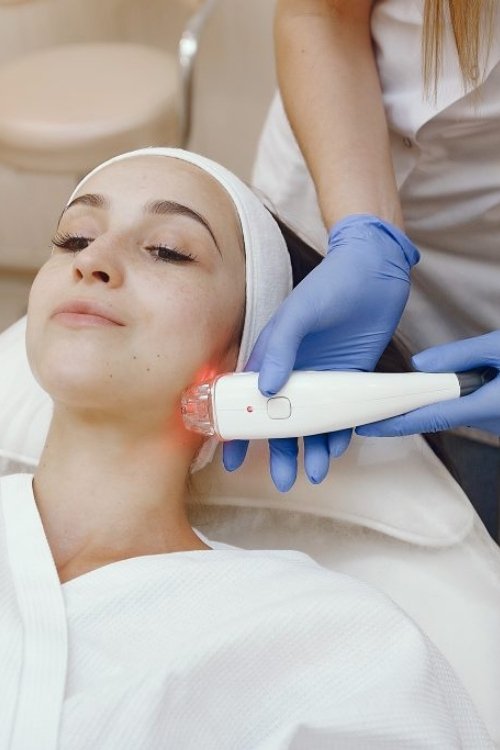
Melasma requires a structured treatment plan that focuses on reducing pigmentation while protecting the skin from further stimulation of melanin production. Because every patient’s skin responds differently, treatment is adjusted according to individual needs and clinical findings. Depending on your skin condition, treatment may include one or a combination of the following:
- Prescription skin-lightening medications.
- Medical-grade topical skincare.
- Chemical peels for selected patients.
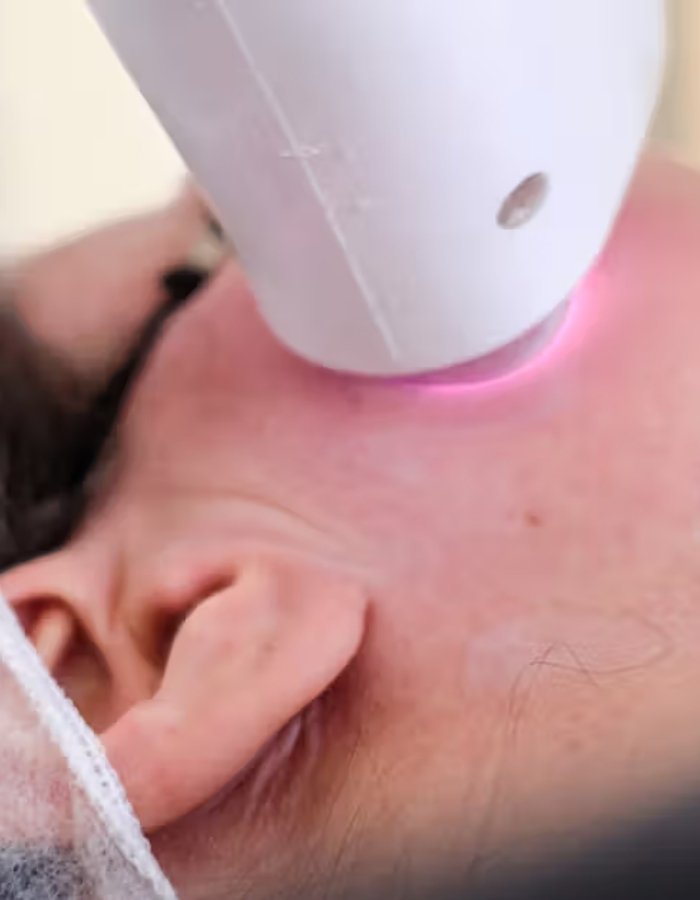
- Laser or energy-based procedures where appropriate.
- Measures to control ongoing pigment stimulation.
- Daily broad-spectrum sun protection.
Even-Toned Skin Takes Time - Melasma Improves Gradually with Consistent Care
Melasma is a long-term pigmentation condition that improves gradually rather than immediately. Because the pigment develops over time and is influenced by ongoing factors such as hormones and sun exposure, treatment focuses on steadily reducing excess pigmentation while helping prevent new patches from developing.
Some patients notice early improvement within a few weeks, while deeper or long-standing melasma may require several months of consistent treatment. Regular follow-up appointments allow your skin to be monitored and the treatment plan to be adjusted according to your progress.
A typical treatment journey may include:
First Few Weeks
The skin gradually adapts to treatment while excess pigment production begins to reduce.
One Month
Some dark patches may begin to appear lighter, and the overall skin tone may look more even.
Two to Three Months
More noticeable improvement in pigmentation and skin clarity often becomes visible.
Continued Treatment
Existing pigmentation continues to fade while new pigment formation is better controlled.
Maintenance Phase
Daily skincare and sun protection help maintain improvement and reduce recurrence.
Long-Term Care
Regular reviews and ongoing skin protection support healthier, more even-toned skin.
Several Factors Influence Your Treatment Results
Every individual’s skin responds differently to melasma treatment. The degree of improvement depends not only on the treatment itself but also on several biological and lifestyle factors that influence pigment production.
Depth of Pigmentation – Superficial melasma often responds more quickly than pigment located deeper within the skin.
Sun Exposure – Even brief exposure to ultraviolet radiation without adequate protection may worsen melasma and slow treatment progress.
Daily Sun Protection – Consistent use of broad-spectrum sunscreen helps reduce further pigment stimulation and supports treatment outcomes.
Skin Type – Your natural skin tone and sensitivity influence treatment selection and the pace of improvement.

Hormonal Influences – Ongoing hormonal changes may continue to stimulate pigmentation and affect long-term control.
Treatment Consistency – Use prescribed medications regularly and follow the recommended skincare routine.
Environmental Heat – Frequent exposure to heat may aggravate melasma in some individuals and influence the response to treatment.
Regular Follow-Up –Periodic reviews allow treatment to be modified according to your skin’s response and changing needs.
Why Patients Trust Dr. Apurva Samant for Melasma Treatment in Mumbai
Managing melasma requires careful evaluation rather than simply prescribing skin-lightening products. Successful treatment begins with understanding the pattern of pigmentation, identifying possible hormonal or environmental triggers, assessing the depth of pigment, and selecting treatments that improve skin tone while protecting the skin’s natural barrier.
As a Board-Certified Plastic & Cosmetic Surgeon experienced in medical and aesthetic skin treatments, Dr. Apurva Samant evaluates every patient individually before recommending treatment. Each consultation focuses on identifying the underlying factors contributing to melasma and developing a structured treatment plan that aims for gradual, natural-looking improvement while minimising unnecessary skin irritation.

Whether your concern is pregnancy-related melasma, hormone-associated pigmentation, or persistent facial dark patches, Dr. Apurva Samant provides a comprehensive assessment to determine the most appropriate treatment for your skin.
Frequently Asked Questions About Melasma Treatment in Mumbai
Can melasma be cured permanently?
Melasma can often be controlled effectively, but it has a tendency to recur, particularly when triggered by hormones or sun exposure. Long-term maintenance is often recommended.
Why did melasma develop on my face?
Melasma commonly develops due to a combination of hormonal changes, ultraviolet exposure, genetics, and environmental factors that stimulate excess melanin production.
How long does melasma treatment usually take?
The duration varies depending on the depth and severity of pigmentation. Some patients notice improvement within a few weeks, while others may require several months of consistent treatment.
Can melasma return after treatment?
Yes. Melasma may recur if underlying triggers such as sun exposure or hormonal changes continue. Regular skincare and sun protection help reduce this risk.
Will I need procedures as well as skincare products?
Not always. Some patients respond well to prescription skincare alone, while others may benefit from procedures such as chemical peels or laser treatments after a detailed evaluation
Is sunscreen necessary every day?
Yes. Daily use of a broad-spectrum sunscreen is one of the most important parts of managing melasma and preventing further pigmentation.
Take the First Step Towards Clearer, More Even-Toned Skin
Schedule a consultation with Dr. Apurva Samant to discuss your concerns, understand the available treatment options, and receive a comprehensive assessment for Melasma Treatment in Mumbai.