Fat Grafting Surgery in Mumbai
Restoring Volume with Your Own Body Tissue
Loss of facial or body volume can occur naturally with ageing, weight changes, previous surgery, or injury. In some individuals, certain areas may appear hollow, uneven, or lack the fullness needed for balanced body contours. Fat grafting offers an option to restore volume using your own body fat, creating a natural-looking enhancement without the use of synthetic implants in selected cases.
At Dr. Apurva Samant’s practice, Fat Grafting Surgery in Mumbai begins with a comprehensive assessment of the donor and treatment areas, your body proportions, skin quality, and treatment goals. Every procedure is carefully planned to achieve balanced, long-lasting results while respecting your natural anatomy.
Fat Grafting Is About Restoring Volume Where It Is Needed
Fat grafting, also known as fat transfer or autologous fat transfer, is a procedure in which fat is gently removed from one area of the body, processed, and then carefully injected into another area requiring additional volume or contour improvement.
The procedure may be performed to restore facial fullness, improve body contours, enhance breast volume in selected patients, correct contour irregularities, or improve the appearance of certain scars. Since the transferred tissue comes from your own body, treatment is planned according to both the donor area and the area being treated.
Every patient requires an individual assessment to determine whether fat grafting is the most appropriate treatment option.
Why Do People Consider Fat Grafting?
Fat grafting may be recommended for both cosmetic enhancement and reconstructive purposes. Understanding the underlying concern helps determine whether the procedure is suitable.

Age-Related Volume Loss
Weight Loss

Facial Hollowing
Breast Volume Enhancement

Scar-Related Depressions

Congenital Volume Deficiency
Body Contour Refinement

Preference for Using Own Tissue
A detailed assessment helps determine whether fat grafting is likely to provide meaningful improvement.
When Should You Consider Fat Grafting?
Fat grafting is considered when additional volume or contour improvement is desired and there is sufficient donor fat available. A consultation helps determine whether the procedure is appropriate for your anatomy and treatment goals. You should consider consulting a specialist if you have:
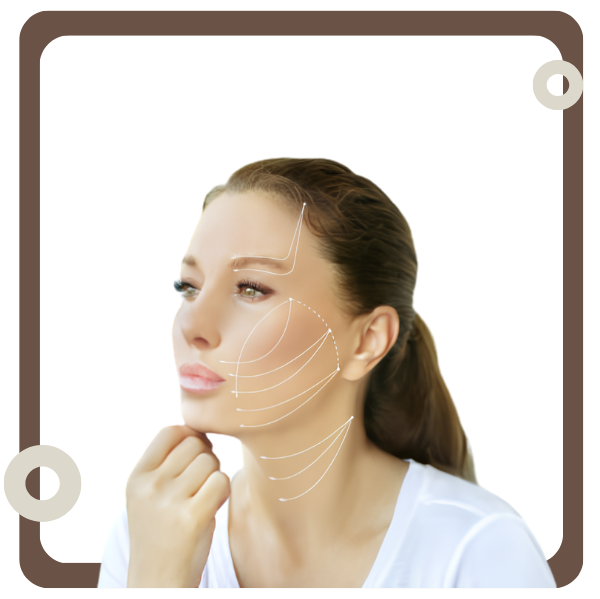
Every Successful Fat Grafting Procedure Begins with a Detailed Assessment
Careful planning is one of the most important aspects of fat grafting. Both the donor site and the treatment area require evaluation to determine whether sufficient fat is available and how much volume can be transferred safely. During your consultation, Dr. Apurva Samant carefully evaluates:
Availability of donor fat.
Facial or body proportions.
Skin quality and elasticity.
Previous surgery or trauma.
Existing body contours.
Lifestyle considerations.
Fat Grafting Is Planned According to Your Individual Anatomy
No two patients require the same treatment approach. The amount of fat transferred, donor area selection, and injection technique are all planned according to your anatomy and desired outcome. Depending on your clinical assessment, treatment may include:
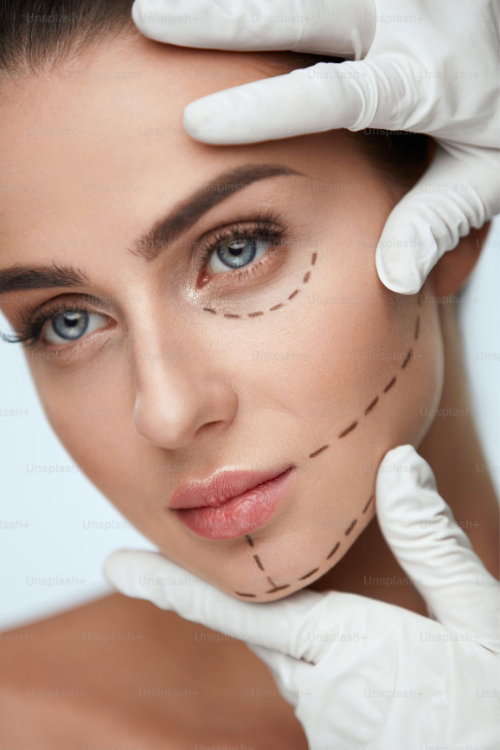
- Fat harvesting from suitable donor areas.
- Processing and purification of the harvested fat.
- Precision fat transfer to the treatment area.
- Facial fat grafting.
- Breast fat grafting for selected patients.
- Correction of contour irregularities.
Recovery After Fat Grafting Takes Place in Two Areas
Unlike many cosmetic procedures, fat grafting involves both a donor site, where fat is harvested, and a treatment site, where the purified fat is transferred. Healing therefore occurs in both areas simultaneously. Mild swelling, bruising, and temporary soreness are expected during the early recovery period and gradually improve over the following weeks.
Some of the transferred fat naturally gets absorbed by the body during healing, while the remaining fat establishes a long-term blood supply. The final outcome becomes more noticeable once swelling settles and the transferred fat stabilises.
A typical recovery journey may include:
First Few Days
Mild swelling, bruising, and soreness at both the donor and treatment areas are common.
One to Two Weeks
Most patients gradually return to light daily activities as swelling begins to improve.
Several Weeks
The treated area starts settling into its new contour while the transferred fat continues to establish itself.
Follow-Up Visits
Healing is monitored, and recovery guidance is provided according to your progress
Fat Stabilisation
A portion of the transferred fat survives permanently, while some is naturally absorbed during healing.
Long-Term Recovery
Final results continue to improve over the following months as swelling resolves completely.
Several Factors Influence Your Results
The success of fat grafting depends on both surgical technique and the body’s natural healing process. Several factors influence how much transferred fat survives and the final appearance after treatment.
Availability of Donor Fat – Adequate healthy fat is required to achieve meaningful volume restoration.
Skin Quality – Healthy skin provides better support for the restored volume and overall contour.
Following Recovery Instructions – Proper postoperative care helps support healthy healing and optimise fat retention.
Fat Survival – A portion of the transferred fat naturally establishes a permanent blood supply, while some is absorbed by the body.
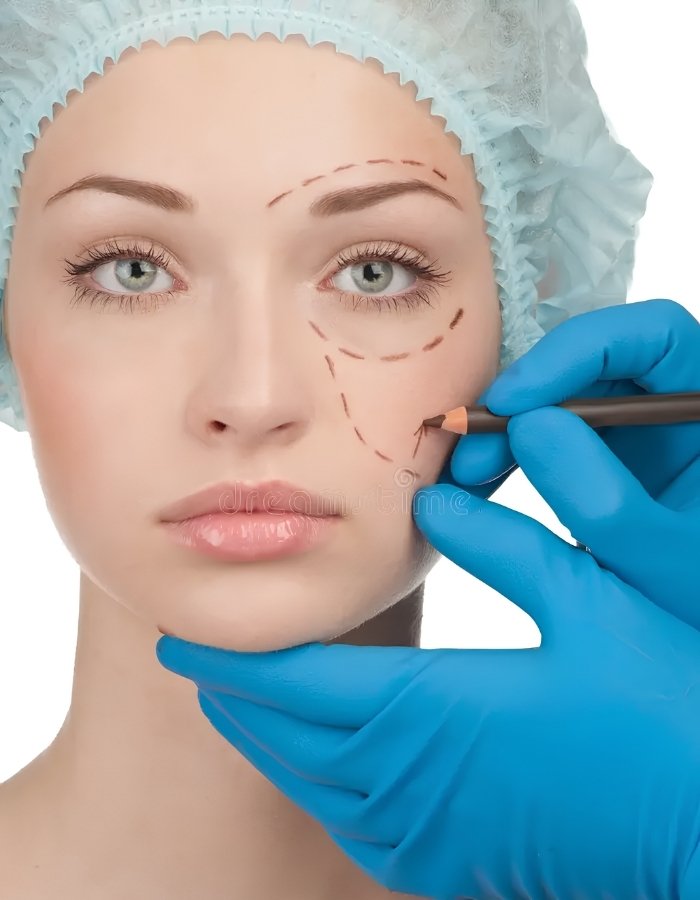
Treatment Area – Different areas of the body may retain transferred fat differently during healing.
Healing Response – Each individual’s body heals differently, affecting fat survival and tissue recovery.
Lifestyle Habits – Smoking, significant weight fluctuations, and poor nutrition may influence long-term outcomes.
Regular Follow-Up – Scheduled reviews allow healing to be monitored and progress to be assessed throughout recovery.
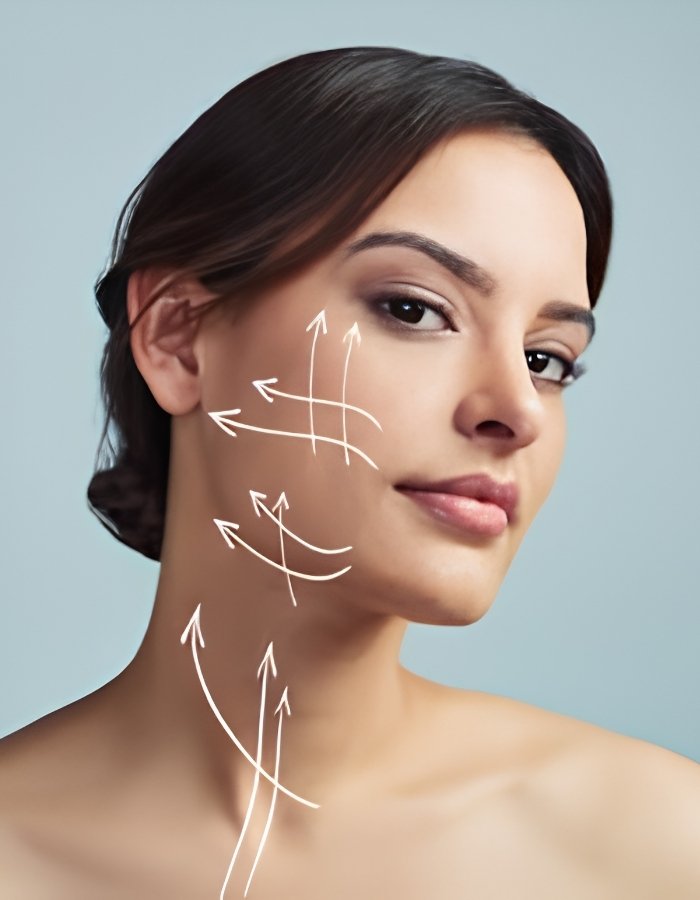
Why Patients Trust Dr. Apurva Samant for Fat Grafting Surgery in Mumbai
Successful fat grafting requires careful planning, precise technique, and a thorough understanding of tissue handling. Achieving natural, long-lasting results depends not only on transferring fat but also on preserving the viability of the fat cells and placing them strategically according to the anatomy of the treatment area.
As a Board-Certified Plastic & Cosmetic Surgeon, Dr. Apurva Samant performs a comprehensive assessment before recommending fat grafting. Every consultation includes an evaluation of donor fat availability, skin quality, body proportions, and the area requiring volume restoration to determine whether the procedure is appropriate.
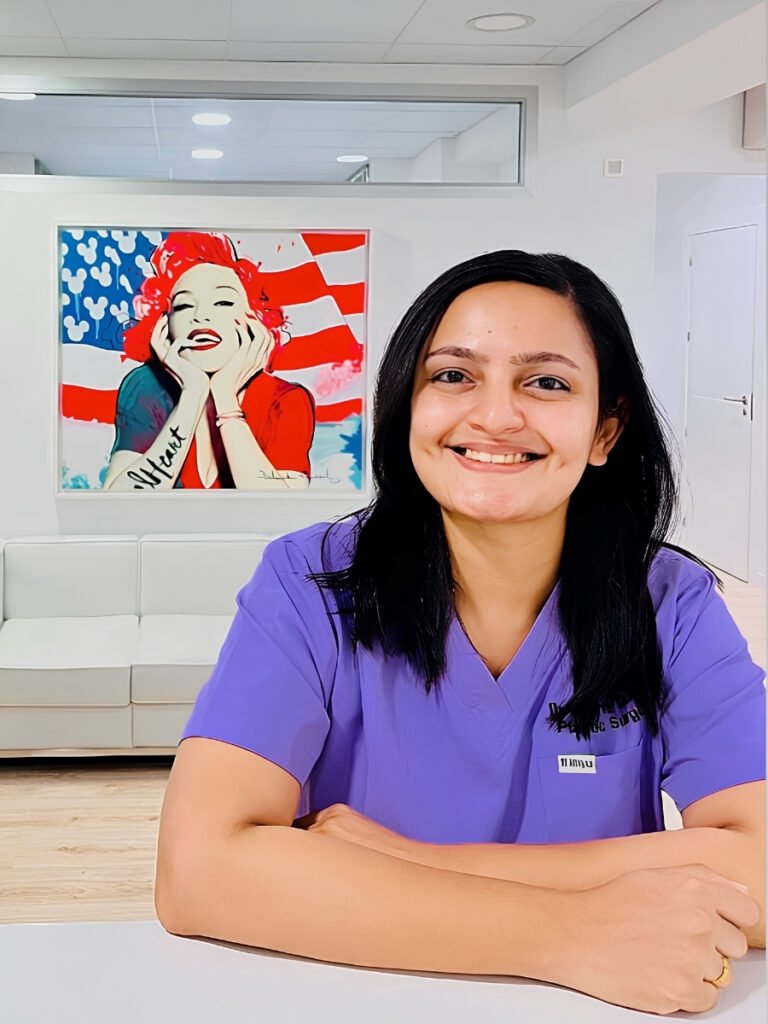
Whether your concern is facial volume loss, contour irregularities, breast enhancement, or soft tissue restoration, Dr. Apurva Samant provides a detailed evaluation to determine whether Fat Grafting Surgery in Mumbai is the most appropriate treatment for your needs.
Frequently Asked Questions About Fat Grafting Surgery in Mumbai
Is fat grafting permanent?
A portion of the transferred fat establishes a long-term blood supply and remains permanently, while some of the fat is naturally absorbed during the healing process.
Where is the fat taken from?
Fat is commonly harvested from areas with excess fat, such as the abdomen, thighs, or flanks, depending on your individual anatomy.
Will I lose the transferred fat if I lose weight?
Significant weight loss may reduce the volume of the transferred fat, as it behaves like normal body fat after healing.
Can fat grafting be used for the face and body?
Yes. Fat grafting may be used to restore volume in the face, breasts, and selected areas of the body after careful clinical assessment.
How long does recovery usually take?
Most patients return to light daily activities within one to two weeks, while the final results continue to develop over several months.
Will there be scars?
Only very small incisions are required for fat harvesting and fat transfer. These usually heal well and become less noticeable over time.
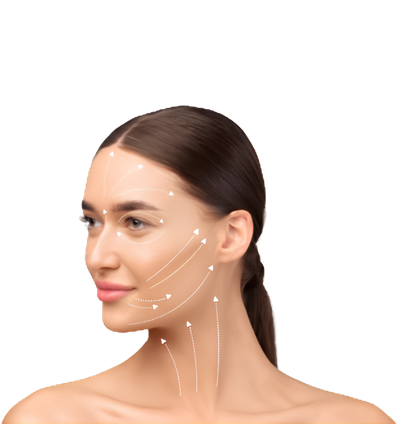
Take the First Step Towards Natural Volume Restoration
Schedule a consultation with Dr. Apurva Samant to discuss your concerns, understand the available treatment options, and receive a comprehensive assessment for Fat Grafting Surgery in Mumbai.