
Scar Treatment in Mumbai
Improving the Appearance of Scars Begins with Understanding How They Form
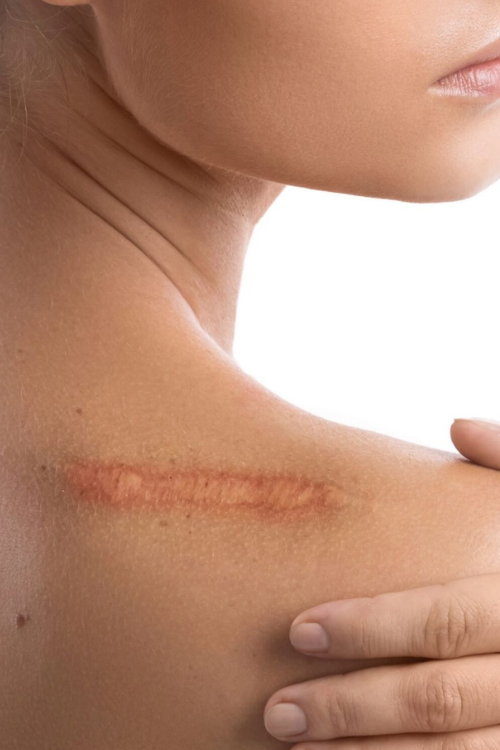
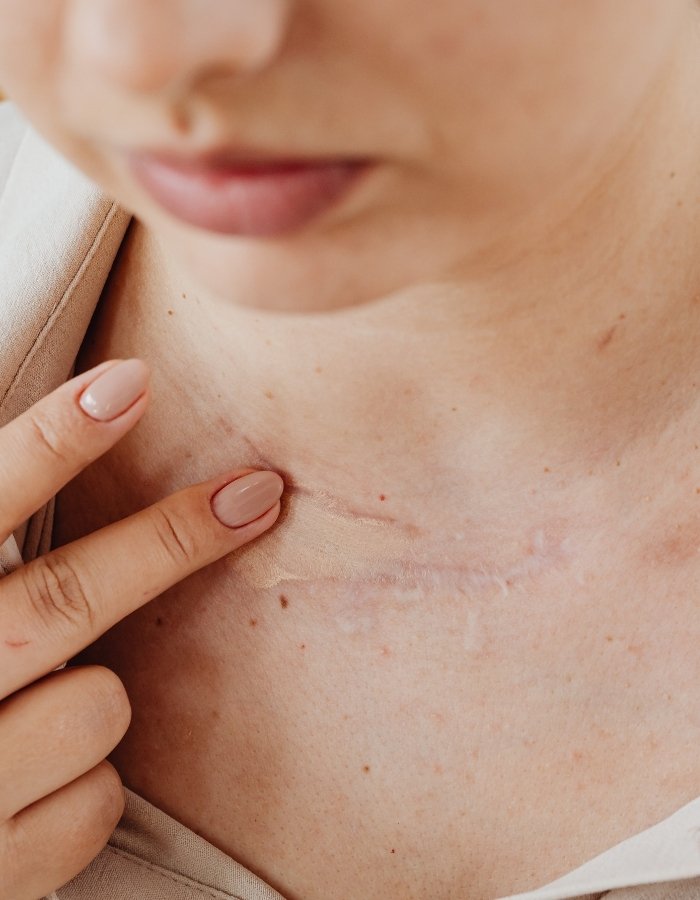
Scars are a natural part of the body’s healing process after an injury, surgery, burn, acne, or skin infection. While many scars gradually become less noticeable over time, some remain raised, depressed, discoloured, or tight, affecting both appearance and, in certain cases, movement or comfort. Since every scar heals differently, treatment should begin with understanding the type of scar and the factors that influence its development.
At Dr. Apurva Samant’s practice, Scar Treatment in Mumbai begins with a detailed assessment of your scar rather than recommending the same treatment for everyone. The location, age, depth, texture, skin type, and cause of the scar are carefully evaluated before discussing treatment options. The aim is to improve the appearance, texture, and flexibility of the scar while maintaining realistic expectations about what treatment can achieve.
Every Scar Tells a Different Story and Requires a Different Approach
Scars develop when the skin repairs itself after damage. During healing, the body produces collagen to close the wound, but the amount and arrangement of this collagen can vary, resulting in scars that look and feel different from the surrounding skin.
Some scars gradually fade and soften with time, while others remain raised, indented, pigmented, or tight. Factors such as the depth of the original injury, genetics, wound healing, skin type, and the location of the scar all influence its final appearance.
Because scars differ significantly from one person to another, successful treatment depends on identifying the specific type of scar before selecting the most appropriate treatment approach.
Why Do Some Scars Become More Noticeable?
Scarring is influenced by several biological and external factors. Understanding these helps explain why some scars heal well while others become more visible or persistent.

Deep Skin Injury

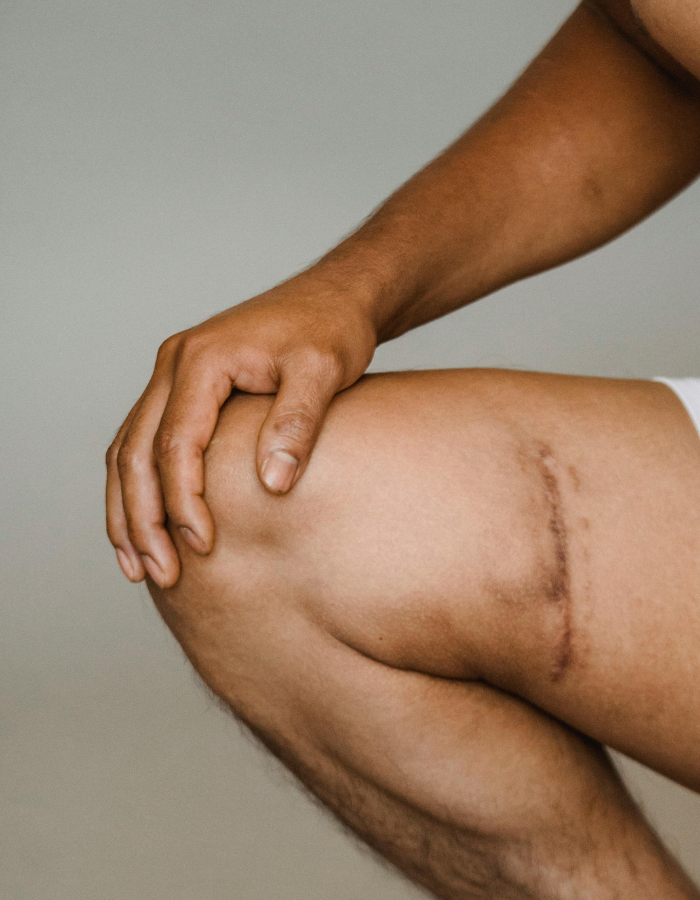
Surgical Incisions
Acne and Skin Inflammation

Burns and Trauma

Genetic Tendency

Skin Tension

Sun Exposure During Healing
Excess Collagen Formation
Because multiple factors often influence scar formation, careful evaluation helps determine the most suitable treatment strategy.
When Should You Seek Scar Treatment ?
Many scars improve gradually during the first year after healing, but others remain prominent or continue to cause discomfort. Seeking professional advice can help determine whether treatment is likely to improve the scar’s appearance or function. You should consider consulting a specialist if you notice:

Every Effective Scar Treatment Begins with a Thorough Skin Evaluation
No two scars are identical, which is why treatment begins with a careful examination rather than selecting a procedure based solely on appearance. Understanding the characteristics of the scar helps determine which treatments are likely to provide meaningful improvement. During your consultation, Dr. Apurva Samant carefully evaluates:
The cause and age of the scar.
Symptoms such as pain, itching, or tightness.
Skin texture and pigmentation.
Your skin type and healing characteristics.
Previous scar treatments and their results.
Flexibility of the surrounding skin.
Scar Treatment Is Planned According to the Type of Scar
There is no single treatment that works for every scar. The most appropriate approach depends on the type of scar, how mature it is, the symptoms it causes, and your skin’s natural healing response.
Depending on your scar, treatment may include one or a combination of the following:
- Medical creams and silicone-based therapy.
- Steroid injections for selected raised scars.
- Laser treatment where clinically appropriate.
- Chemical peels for superficial textural concerns.
- Scar revision surgery in carefully selected cases.
- Microneedling or collagen-stimulating procedures.
Scar Improvement Takes Time - Healing and Remodelling Continue Gradually
Scar treatment is a gradual process rather than an immediate solution. Even after a wound has healed, the skin continues to remodel itself for several months. Treatments work by improving the scar’s texture, colour, flexibility, or thickness over time, allowing the skin to heal and adapt gradually.
Some patients notice early changes within a few weeks, while more mature or extensive scars may require multiple treatment sessions over several months. Regular follow-up appointments help monitor progress and allow treatment to be adjusted according to the scar’s response.
A typical treatment journey may include:
First Few Weeks
Early changes in scar texture or redness may begin to appear.
One Month
Some scars become softer, flatter, or less noticeable depending on the treatment provided.
Two to Three Months
Continued improvement in scar appearance, texture, and flexibility often becomes more evident.
Additional Sessions
Certain scars may require repeated treatments to achieve the desired level of improvement.
Maintenance Phase
Ongoing scar care and sun protection help support continued healing.
Long-Term Improvement
Scar remodelling continues gradually, with changes becoming more noticeable over time.
Several Factors Influence Your Treatment Results
Every scar heals differently, and the degree of improvement depends on several factors beyond the treatment itself. Understanding these factors helps establish realistic expectations before beginning scar management.
Type of Scar – Raised, depressed, stretched, or pigmented scars each respond differently and may require different treatment approaches.
Age of the Scar – Newer scars often respond differently from mature scars that have been present for several years.
Depth of Skin Damage – Deeper injuries generally produce more noticeable scars and may require longer treatment.
Following Aftercare Instructions – Proper wound care, scar management, and sun protection contribute significantly to treatment outcomes.
Treatment Consistency – Attending follow-up appointments and completing the recommended treatment plan helps achieve more predictable improvement.
Location on the Body – Areas exposed to frequent movement or tension may heal differently than other parts of the body.
Skin Type – Individual skin characteristics influence healing, pigmentation, and collagen production.
Overall Health – General health, nutrition, smoking, and certain medical conditions may affect healing and scar remodelling.
Why Patients Trust Dr. Apurva Samant for Scar Treatment in Mumbai
Scar management requires more than selecting a procedure. It begins with understanding how the scar developed, evaluating its characteristics, and choosing treatments that are appropriate for the scar type, skin condition, and stage of healing. Careful planning is essential to improve the scar while protecting the surrounding healthy skin.
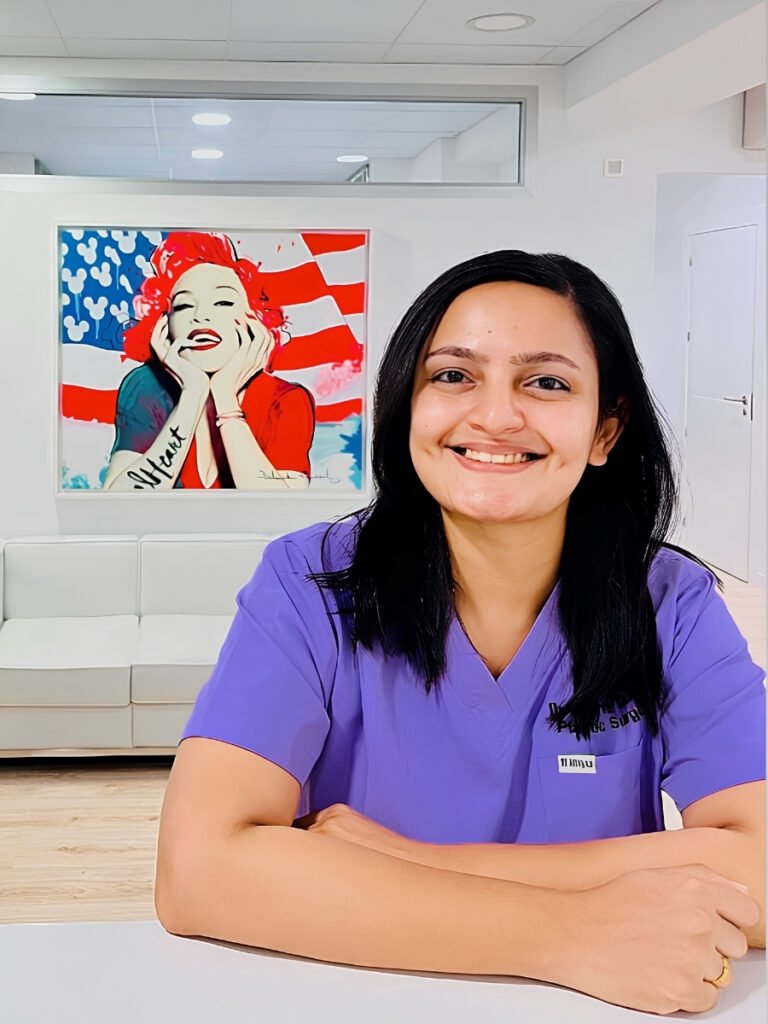
As a Board-Certified Plastic & Cosmetic Surgeon with expertise in reconstructive and aesthetic procedures, Dr. Apurva Samant evaluates every scar individually before recommending treatment. Whether the scar is caused by acne, surgery, burns, trauma, or previous skin conditions, the treatment plan is developed after a detailed assessment of the scar’s appearance, symptoms, and healing potential.
Whether your concern is an acne scar, surgical scar, burn scar, injury-related scar, or a raised keloid, Dr. Apurva Samant provides a comprehensive evaluation to recommend the most appropriate treatment for your individual scar.
Frequently Asked Questions About Scar Treatment in Mumbai
Can scars be removed completely?
No. While many treatments can improve the appearance, texture, and flexibility of scars, complete removal is generally not possible.
When is the best time to begin scar treatment?
The timing depends on the type of scar and how it is healing. Some scars benefit from early treatment, while others are best treated after they have matured. A consultation helps determine the most appropriate timing.
How long does scar treatment usually take?
The duration varies according to the scar type, age, and treatment recommended. Some patients require only a few sessions, while others benefit from a longer treatment plan.
Can acne scars be treated?
Yes. Acne scars may improve with treatments such as microneedling, laser procedures, chemical peels, or scar revision, depending on the type and severity of the scarring.
Will one treatment session be enough?
Some scars improve after a single treatment, while others require multiple sessions to achieve gradual, meaningful improvement.
Can raised scars become flatter?
Many hypertrophic scars and selected keloids can become softer and flatter with appropriate treatment, although individual responses vary.

Take the First Step Towards Improving the Appearance of Your Scar
Schedule a consultation with Dr. Apurva Samant to discuss your concerns, explore the available treatment options, and receive a comprehensive assessment for Scar Treatment in Mumbai.