scar revision surgery in Mumbai
Improving a Scar Begins with Understanding How It Healed
Scars are a natural part of the body’s healing process, but not every scar heals in the way we expect. Some remain wide, raised, depressed, tight, or irregular, making them more noticeable or affecting comfort and movement. When a scar continues to cause cosmetic or functional concerns after it has fully matured, scar revision surgery may be considered to improve its appearance.
At Dr. Apurva Samant’s practice, Scar Revision Surgery in Mumbai begins with understanding how the scar developed and how it healed. Every scar is carefully assessed for its size, location, texture, maturity, and impact on surrounding tissues before discussing whether surgical revision is appropriate. The aim is to create a less noticeable, more functional scar while maintaining realistic expectations about the outcome.
Scar Revision Is About Improving a Scar - Not Erasing It
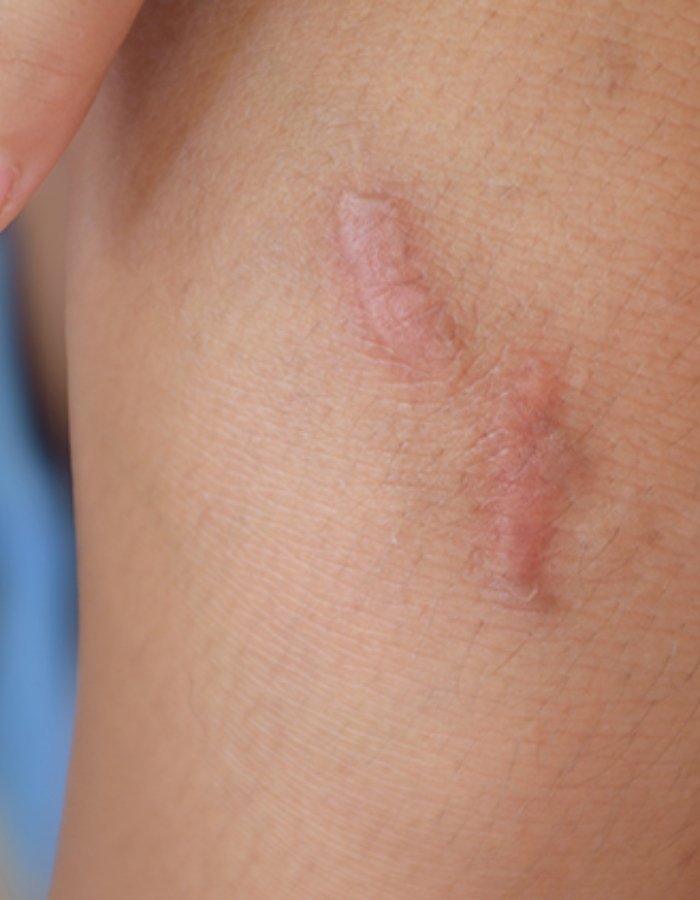
Scar revision is a surgical procedure performed to improve the appearance or function of an existing scar. Rather than removing a scar completely, the procedure replaces or reshapes it so that it blends more naturally with the surrounding skin or causes less tension during movement.
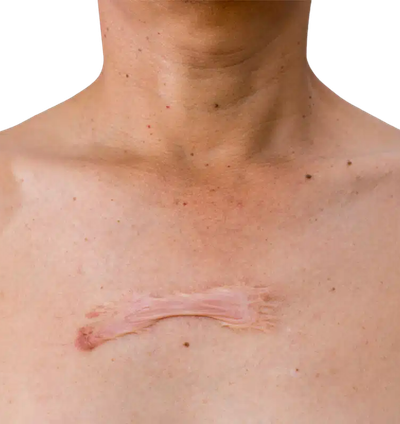
Some scars become wider over time, while others remain raised, depressed, or tight due to the way collagen formed during healing. In certain areas of the body, scars may also limit movement by pulling on nearby skin or joints.
Because every scar is different, scar revision surgery is planned according to the characteristics of the individual scar rather than following the same technique for every patient.
Why Do Some Scars Need Surgical Revision?
Although many scars improve naturally over time, some heal in ways that make surgical revision beneficial. Several factors may influence the final appearance and behaviour of a scar.
Wide Surgical Scars

Raised Scar Formation
Depressed Scars
Scar Tightness
Irregular Healing

Burn-Related Scars

Traumatic Injuries

Previous Scar Surgery
A detailed evaluation helps determine whether scar revision surgery is likely to provide meaningful improvement.
When Should You Consider Scar Revision Surgery?
Scar revision is usually considered after a scar has matured sufficiently, although some situations require earlier intervention. A consultation helps determine the appropriate timing and whether surgery is the most suitable option.
Every Scar Revision Surgery Begins with a Thorough Assessment
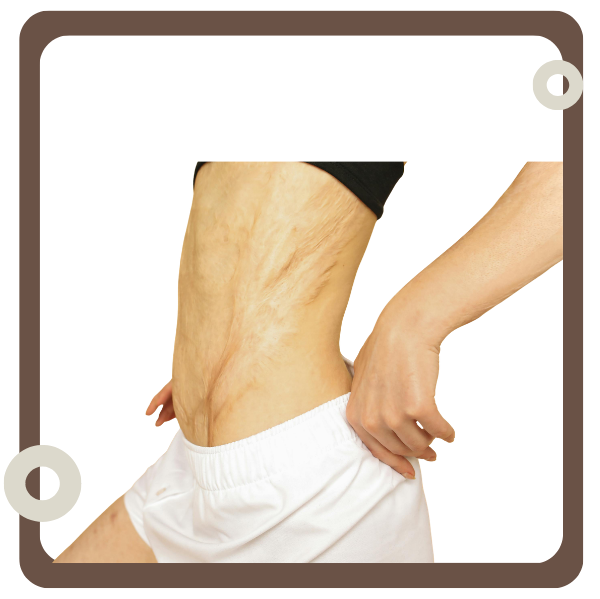
Careful planning is one of the most important parts of scar revision surgery. The procedure is designed according to the characteristics of the existing scar, the surrounding skin, and the expected direction of wound healing. During your consultation, Dr. Apurva Samant carefully evaluates:
The cause and age of the scar.
Presence of tightness or contracture.
Width, length, and depth of the scar.
Previous scar treatments or surgeries.
Scar direction in relation to natural skin lines.
Your overall health and healing history.
Scar Revision Surgery Is Planned According to the Scar
The objective is to improve the scar’s appearance and function while supporting healthy wound healing and long-term scar maturation. There is no single operation that works for every scar. The surgical approach depends on the scar’s size, location, direction, surrounding skin, and the amount of tissue available for reconstruction. Depending on your scar, treatment may include one or a combination of the following:
- Surgical excision of the existing scar.
- Careful wound closure with minimal skin tension.
- Scar repositioning along natural skin lines where possible.
- Local flap techniques for selected scars.
- Z-plasty or tissue rearrangement for contractures.
- Combined surgical and non-surgical scar management.
Recovery After Scar Revision Surgery Happens in Stages
Scar revision surgery improves the appearance or function of an existing scar, but the healing process continues long after the procedure is completed. While the incision heals during the first few weeks, the revised scar gradually matures over several months, becoming softer, flatter, and less noticeable with time.
Some swelling, redness, or mild discomfort is expected during the early recovery period and usually improves steadily as healing progresses. Regular follow-up appointments help monitor recovery and ensure the scar continues to mature as expected.
A typical recovery journey may include:
First Few Days
The skin gradually adapts to treatment while excess pigment production begins to reduce.
One to Two Weeks
The incision continues healing, and stitches are removed if non-dissolvable sutures have been used.
Several Weeks
The revised scar becomes stronger, although some redness may still be visible.
Scar Maturation Phase
Over the following months, the scar gradually softens, flattens, and blends more naturally with the surrounding skin.
Follow-Up Care
Scar management techniques may be recommended to support continued healing.
Long-Term Recovery
Final scar appearance continues to improve as the skin remodels naturally over time.
Several Factors Influence Your Results
Every scar heals differently, even after revision surgery. The final outcome depends not only on the surgical procedure but also on several individual factors that influence wound healing and scar maturation.
Type of Original Scar – Raised, depressed, widened, or contracted scars each respond differently to surgical revision.
Skin Type – Individual skin characteristics influence collagen production, pigmentation, and long-term scar appearance.
General Health – Overall health, nutrition, smoking, and certain medical conditions can influence wound healing.
Following Postoperative Instructions – Proper wound care and scar management help support healthy healing and reduce unnecessary tension on the incision.
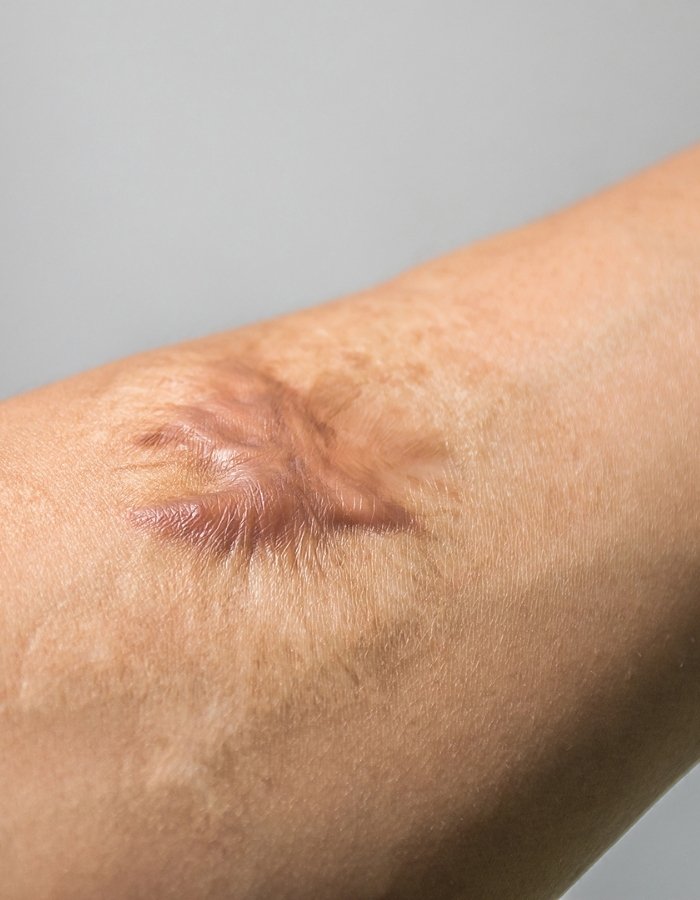
Location of the Scar – Scars over joints or areas of frequent movement may experience greater tension during healing.
Size of the Scar – Larger or more complex scars may require a longer recovery and continued scar management.
Scar Maturation – Every scar continues to change over several months before reaching its final appearance.
Regular Follow-Up – Monitoring the healing process allows early management of any concerns and supports optimal scar remodelling.
Why Patients Trust Dr. Apurva Samant for Scar Revision Surgery in Mumbai
Scar revision requires more than surgical precision it requires a thorough understanding of wound healing, skin tension, tissue handling, and aesthetic planning. Every scar presents unique challenges, and successful revision begins with identifying why the original scar healed the way it did before planning the corrective procedure.
As a Board-Certified Plastic & Cosmetic Surgeon, Dr. Apurva Samant carefully evaluates every scar before recommending surgery. Factors such as the scar’s location, maturity, surrounding skin quality, and functional impact are considered to determine whether scar revision is appropriate and which surgical technique is most suitable.
Whether your concern is a wide surgical scar, a facial scar, a burn scar, or a scar causing tightness and restricted movement, Dr. Apurva Samant provides a comprehensive evaluation to determine whether scar revision surgery is the most appropriate treatment for your individual needs.
Frequently Asked Questions About Scar Revision Surgery in Mumbai
Can scar revision completely remove my scar?
No. Scar revision improves the appearance or function of a scar, but every surgical procedure creates a new scar. The goal is to make the revised scar less noticeable and allow it to heal more favourably.
When is the best time to undergo scar revision surgery?
Many scars are revised after they have fully matured, which often takes several months. However, scars causing functional problems or significant contracture may require earlier treatment.
Is scar revision performed under local anaesthesia?
Many smaller scar revision procedures can be performed under local anaesthesia. Larger or more complex scars may require a different anaesthetic approach depending on the procedure.
How long does recovery usually take?
Most patients return to normal daily activities within one to two weeks, although scar maturation continues for several months after surgery.
Will I still have a scar after revision surgery?
Yes. The procedure replaces the existing scar with a new surgical incision designed to heal in a more favourable manner.
Can raised or contracted scars be improved?
Yes. Depending on the type of scar, revision surgery may improve raised scars, release tight scar tissue, or reposition scars to improve both appearance and function.
Take the First Step Towards Improving the Appearance of Your Scar
Schedule a consultation with Dr. Apurva Samant to discuss your concerns, understand the available treatment options, and receive a comprehensive assessment for Scar Revision Surgery in Mumbai.