
Gynecomastia Surgery in Mumbai
When Enlarged Male Breasts Affect Confidence, Understanding the Cause Is the First Step
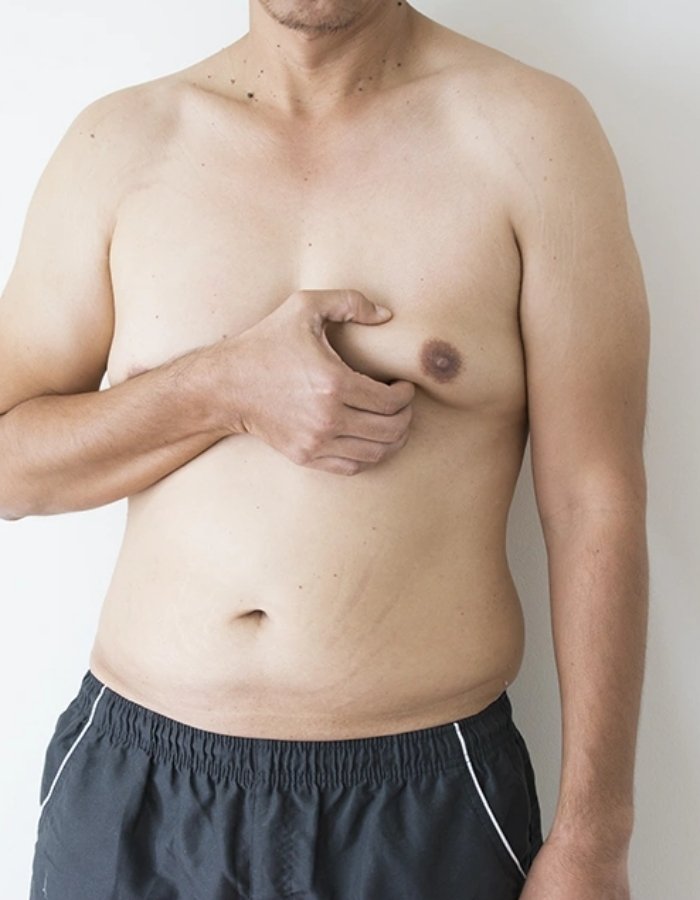
Enlargement of the male chest is a common condition that can affect boys, teenagers, and adult men. For some, it is a temporary hormonal change, while for others it persists despite exercise, weight loss, or maintaining a healthy lifestyle. In many cases, enlarged male breasts can lead to self-consciousness, difficulty wearing fitted clothing, or avoiding activities such as swimming or going to the gym.
At Dr. Apurva Samant’s practice, Gynecomastia Surgery in Mumbai begins with a detailed evaluation to understand whether the enlargement is caused by excess glandular tissue, fat, or a combination of both. Careful assessment allows the most appropriate treatment plan to be developed while aiming to restore a flatter, more masculine chest contour.
Gynecomastia Surgery Is About Restoring a Natural Chest Contour
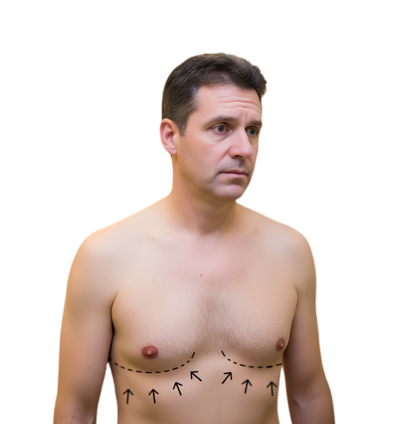
Gynecomastia surgery is performed to reduce excess breast tissue in men and improve the shape of the chest. Depending on the underlying cause, treatment may involve removal of glandular tissue, liposuction, or a combination of both techniques to achieve a smoother and more proportionate appearance.
The objective is not simply to reduce chest size but to create a natural contour that matches the patient’s body frame while preserving normal chest anatomy.
Since every patient has different anatomical characteristics, surgery is carefully planned after a thorough clinical examination.
Why Does Gynecomastia Develop?
Male breast enlargement can occur for several reasons. Identifying the underlying cause helps determine whether surgery or another form of treatment is most appropriate.
Hormonal Changes
Puberty
Age-Related Hormonal Changes
Weight Gain

Excess Glandular Tissue
Certain Medications

Medical Conditions

Use of Anabolic Steroids
A careful medical evaluation helps determine the underlying cause before recommending surgery.
When Should You Consider Gynecomastia Surgery?
Not every case of male breast enlargement requires surgery. A consultation helps determine whether the condition is likely to improve naturally or whether surgical correction is appropriate. You should consider consulting a specialist if you have:

Every Successful Gynecomastia Surgery Begins with a Detailed Assessment
Planning gynecomastia surgery involves determining exactly what is causing the chest enlargement. Fat, glandular tissue, skin quality, body proportions, and chest anatomy all influence surgical planning. During your consultation, Dr. Apurva Samant carefully evaluates:
Chest size and contour.
Skin quality and elasticity.
Amount of glandular tissue.
Nipple position.
Distribution of excess fat.
Chest wall anatomy.
Gynecomastia Surgery Is Planned According to Your Chest Anatomy
Every patient presents with a different combination of glandular tissue, fat, and skin elasticity. Treatment is carefully selected according to these findings rather than using the same surgical technique for every individual. The objective is to create a flatter, firmer, and naturally contoured chest while maintaining balanced body proportions. Depending on your clinical assessment, treatment may include:
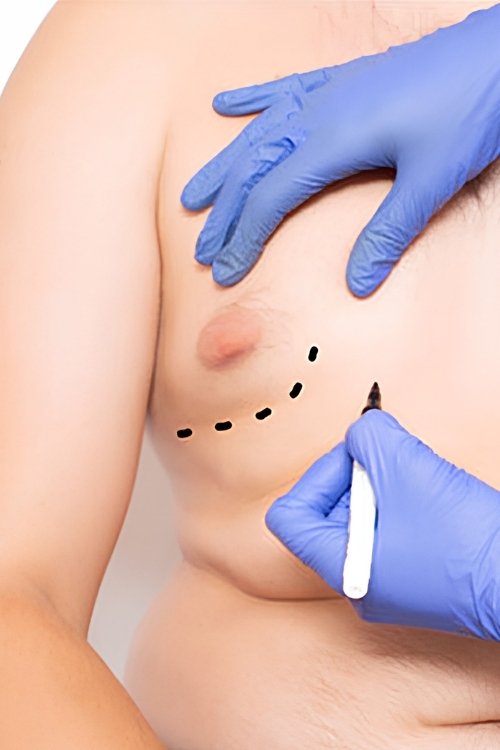
- Liposuction for excess fatty tissue.
- Surgical removal of glandular breast tissue.
- Combination of liposuction and gland excision.
- Skin tightening where clinically indicated.
- Correction of chest asymmetry.
- Refinement of chest contours.
Recovery After Gynecomastia Surgery Takes Place Gradually
Recovery after gynecomastia surgery occurs in stages as swelling reduces and the chest tissues heal. Mild soreness, swelling, and tightness are expected during the initial recovery period. As healing progresses, the chest gradually develops a flatter and more defined appearance.
Most patients are able to resume light daily activities within a few days, while strenuous exercise and heavy lifting are postponed until healing is sufficiently advanced. Regular follow-up appointments allow recovery to be monitored and ensure the chest continues to heal as expected.
A typical recovery journey may include:
First Few Days
Mild swelling, bruising, tightness, and temporary discomfort are expected.
One to Two Weeks
Many patients return to routine non-strenuous activities while continuing to wear a compression garment.
Several Weeks
Swelling gradually improves, and the chest contour becomes more defined.
Follow Up Visits
Healing is monitored, and recovery guidance is provided according to your progress.
Scar Maturation
Surgical scars continue to soften and become less noticeable over the following months.
Long-Term Recovery
Final chest contour continues to refine as the tissues heal completely.
Several Factors Influence Your Results
Every patient heals differently, and several factors influence both recovery and the final appearance after gynecomastia surgery.
Amount of Glandular Tissue- The quantity of breast tissue removed influences the complexity of the procedure and recovery.
Skin Elasticity- Good skin quality allows the chest skin to adapt more effectively after tissue removal.
Body Weight- Maintaining a stable body weight helps preserve the surgical outcome over time.
Healing Response- Individual healing characteristics affect swelling, scar maturation, and tissue settling.
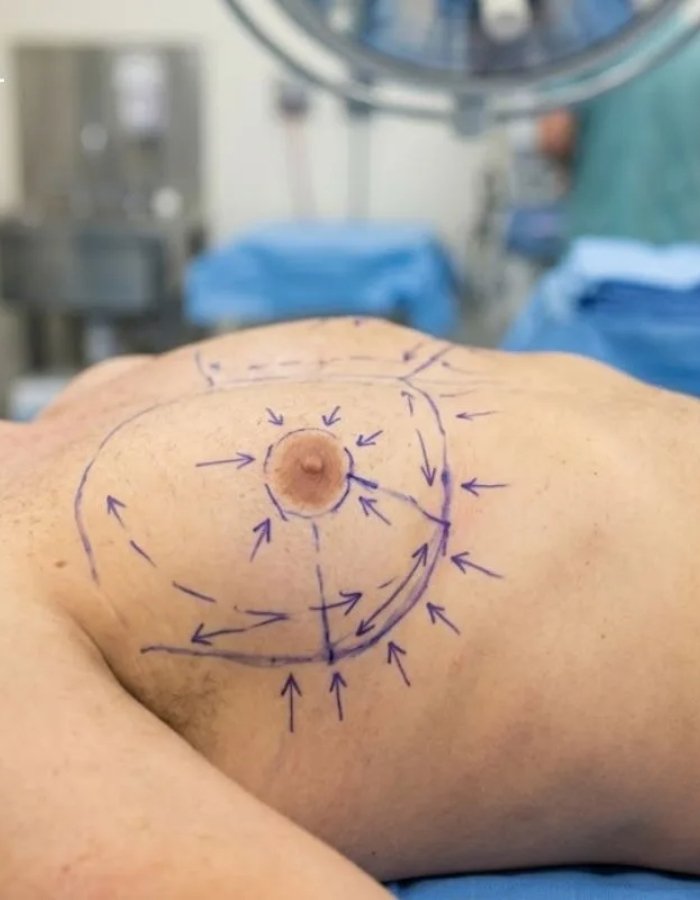
Surgical Technique- The choice between liposuction, gland excision, or both depends on your chest anatomy.
Following Recovery Instructions –Proper postoperative care and compression garment use support healthy healing.
Lifestyle Habits –Smoking, nutrition, and general health may influence tissue healing and recovery.
Regular Follow-Up –Routine postoperative reviews allow healing to be monitored and recovery guidance to be adjusted when required.
Why Patients Trust Dr. Apurva Samant for Gynecomastia Surgery in Mumbai
Successful gynecomastia surgery requires accurate diagnosis, careful surgical planning, and a detailed understanding of male chest anatomy. Every patient presents with a different combination of glandular tissue, fat distribution, skin elasticity, and body proportions. Careful evaluation helps determine the most appropriate surgical technique for achieving a natural masculine chest contour.
As a Board-Certified Plastic & Cosmetic Surgeon, Dr. Apurva Samant performs a comprehensive clinical assessment before recommending surgery. Every consultation includes an evaluation of the underlying cause of chest enlargement, body composition, skin quality, and chest anatomy to develop an appropriate treatment plan.

Whether your concern is persistent male breast enlargement, excess glandular tissue, or loss of chest definition, Dr. Apurva Samant provides a comprehensive evaluation to determine whether Gynecomastia Surgery in Mumbai is the most appropriate treatment for your condition.
Frequently Asked Questions About Gynecomastia Surgery in Mumbai
Is gynecomastia caused by excess fat or breast tissue?
It can be caused by excess fat, enlarged glandular tissue, or a combination of both. A clinical examination helps determine the underlying cause.
Will exercise remove gynecomastia?
Exercise can reduce excess body fat but cannot remove enlarged glandular breast tissue. Surgery may be recommended when glandular tissue is the primary cause.
Will there be visible scars after surgery?
Incisions are carefully planned in discreet locations around the chest whenever possible. Over time, scars generally soften and become less noticeable.
How long does recovery usually take?
Most patients return to light daily activities within one to two weeks, while complete healing and tissue settling continue over the following months.
Will the condition return after surgery?
When enlarged glandular tissue is appropriately removed, recurrence is uncommon. However, hormonal changes, certain medications, anabolic steroid use, or significant weight gain may influence future chest appearance.
Can gynecomastia affect one side only?
Yes. Some patients develop enlargement on only one side or notice differences in chest size between the two sides.
Will I need to wear a compression garment?
Yes. A compression garment is usually recommended during the early recovery period to support healing and help the chest adapt to its new contour.
Take the First Step Towards a Flatter, More Defined Chest
Schedule a consultation with Dr. Apurva Samant to discuss your concerns, understand the available treatment options, and receive a comprehensive assessment for Gynecomastia Surgery in Mumbai.