
Vaginoplasty Surgery in Mumbai
When Vaginal Laxity Begins to Affect Comfort, Function, or Confidence
Changes in the vaginal tissues can occur naturally over time. Childbirth, ageing, hormonal changes, and loss of tissue elasticity may contribute to vaginal laxity, which some women notice as reduced muscle tone, altered sensation during intimacy, or a feeling of looseness. While these changes are common, they may affect physical comfort, confidence, or quality of life.
At Dr. Apurva Samant’s practice, Vaginoplasty Surgery in Mumbai begins with a confidential consultation and careful clinical assessment. The procedure is planned according to your anatomy, symptoms, and treatment goals, with the aim of restoring vaginal support while preserving normal anatomy and function.
Vaginoplasty Is About Restoring Support and Vaginal Muscle Tone
Vaginoplasty is a reconstructive surgical procedure performed to tighten and repair the vaginal canal and surrounding supportive tissues when they have become stretched or weakened. The procedure focuses on restoring muscle support and improving vaginal tone rather than altering normal anatomy unnecessarily.
Every woman has different anatomical changes and concerns. A detailed evaluation helps determine whether surgery is appropriate and whether another treatment option may be more suitable.
Why Do Women Consider Vaginoplasty?
Several natural life events and medical factors can contribute to weakening of the vaginal muscles and supporting tissues.

Childbirth

Age-Related Changes

Hormonal Changes

Multiple Vaginal Deliveries

Loss of Muscle Support

Previous Vaginal Injury

Weight Fluctuations

Reduced Sensation During Intimacy
A detailed assessment helps identify the underlying cause before recommending surgery.
When Should You Consider Vaginoplasty?
Vaginoplasty may be considered when vaginal laxity affects comfort, function, or quality of life and conservative measures are unlikely to provide sufficient improvement. You should consider consulting a specialist if you have:
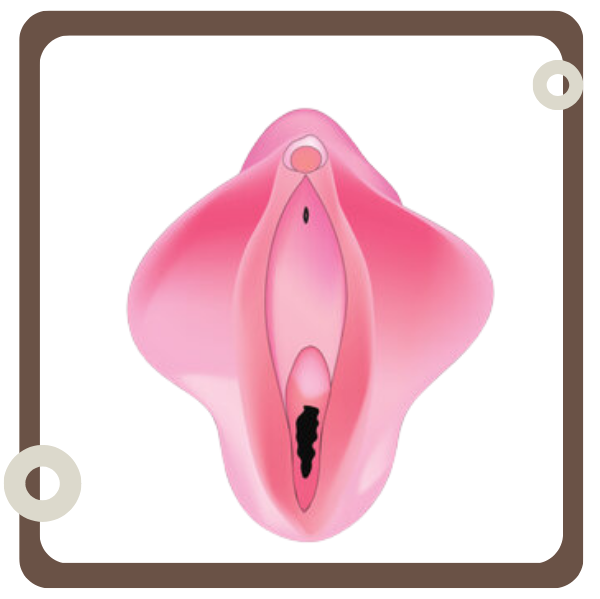
Every Successful Vaginoplasty Begins with a Detailed Assessment
Careful evaluation is essential because every woman’s anatomy, symptoms, and treatment goals are different. Surgery is recommended only after understanding the underlying cause of vaginal laxity and assessing the overall pelvic tissues. During your consultation, Dr. Apurva Samant carefully evaluates:
Vaginal tissue quality.
Previous pelvic or vaginal surgery.
Vaginal muscle support.
General health and healing factors.
Degree of vaginal laxity.
Your expectations regarding the outcome.
Vaginoplasty Is Planned According to Your Individual Anatomy
Every procedure is individually planned according to the degree of vaginal laxity, tissue quality, and the amount of muscle repair required. Depending on your clinical assessment, treatment may include:

- Repair of weakened vaginal muscles.
- Tightening of supporting tissues.
- Reconstruction of the vaginal canal where appropriate.
- Correction of tissue laxity.
- Improvement of vaginal support.
- Preservation of normal anatomy.
Recovery After Vaginoplasty Surgery Requires Time for Complete Healing
Recovery after vaginoplasty takes place gradually as the repaired muscles and surrounding tissues heal. Mild swelling, tenderness, and temporary discomfort are expected during the first few days and steadily improve over the following weeks. Because the procedure involves delicate tissues, following postoperative instructions carefully is essential for proper healing.
Most patients are able to return to light daily activities within a short period, while strenuous exercise, heavy lifting, and intimate activity should be avoided until healing is complete and clearance is given during follow-up appointments.
A typical recovery journey may include:
First Few Days
Mild swelling, tenderness, and temporary discomfort are common.
One to Two Weeks
Most patients gradually return to light daily activities while avoiding strenuous exercise.
Several Weeks
Healing continues, and the repaired tissues become stronger as swelling reduces.
Follow-up Visit
Recovery is monitored, and guidance is provided throughout the healing process.
Resuming Normal Activities
Exercise and intimate activity are resumed only after adequate healing and medical advice.
Long-Term Recovery
Final tissue healing and muscle strengthening continue over the following months.
Several Factors Influence Your Results
Every woman’s anatomy and healing response are different. While careful surgical planning plays an important role, several individual factors influence both recovery and the long-term outcome.
Degree of Vaginal Laxity – The extent of muscle and tissue stretching influences the surgical approach and recovery.
Healing Response – Every individual heals differently, affecting swelling, scar maturation, and tissue strength.
Following Recovery Instructions – Proper hygiene, activity restrictions, and wound care support healthy healing.
Avoiding Early Physical Strain – Allowing adequate healing time helps protect the repaired muscles and supporting tissues.

Tissue Quality – Healthy tissues generally heal more predictably and provide better long-term support.
Previous Childbirth – The number and nature of previous vaginal deliveries may influence tissue characteristics.
Lifestyle Habits – Smoking, nutrition, and overall health may affect tissue repair and recovery.
Regular Follow-Up – Routine postoperative reviews help monitor healing and ensure recovery is progressing appropriately.

Why Patients Trust Dr. Apurva Samant for Vaginoplasty Surgery in Mumbai
Vaginoplasty is a specialised reconstructive procedure that requires a detailed understanding of female pelvic anatomy, tissue support, and surgical precision. The procedure focuses on restoring vaginal muscle tone and structural support while preserving normal function and maintaining patient safety.
As a Board-Certified Plastic & Cosmetic Surgeon, Dr. Apurva Samant provides a confidential and comprehensive evaluation before recommending surgery. Every consultation includes careful assessment of vaginal support, tissue quality, previous childbirth history, symptoms, and treatment goals to determine the most appropriate approach.
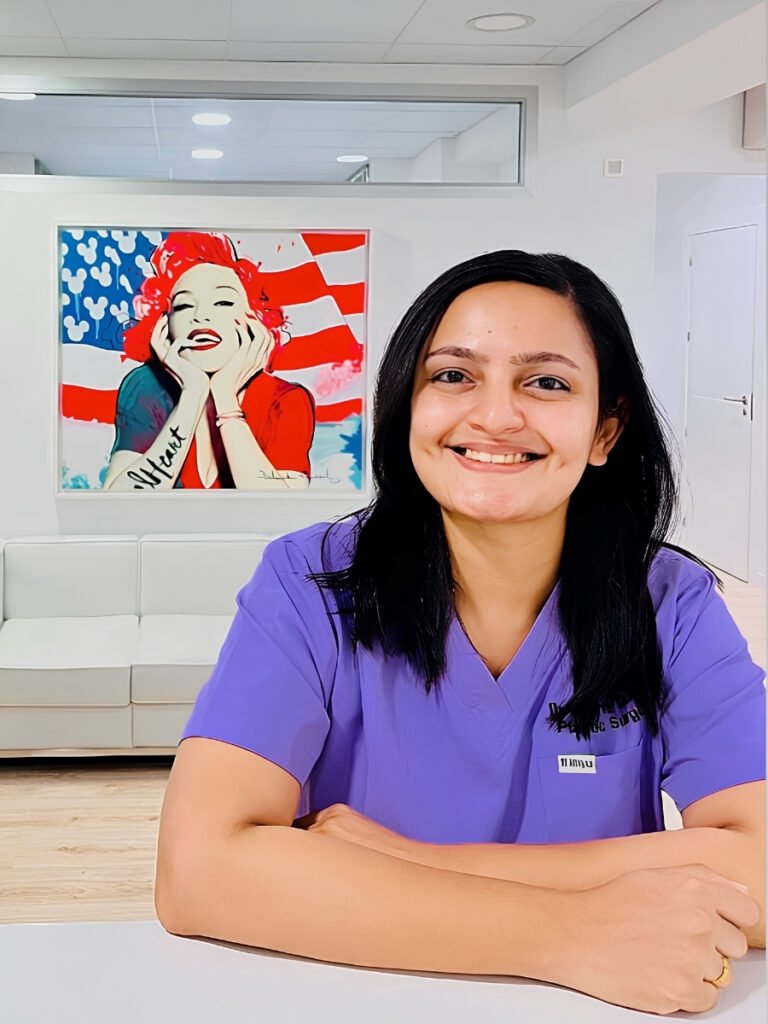
Whether your concern is vaginal laxity after childbirth, reduced tissue support, or changes associated with ageing, Dr. Apurva Samant provides a comprehensive evaluation to determine whether Vaginoplasty Surgery in Mumbai is the most appropriate treatment for your needs.
Frequently Asked Questions About Vaginoplasty Surgery in Mumbai
Who is a suitable candidate for vaginoplasty?
Women experiencing vaginal laxity, reduced muscle support after childbirth, or functional concerns related to weakened vaginal tissues may be suitable candidates after a detailed clinical assessment.
Is vaginoplasty only performed after childbirth?
No. Although childbirth is a common reason, some women seek treatment because of age-related tissue changes, previous injuries, or naturally reduced vaginal support.
How long does recovery usually take?
Most patients return to light daily activities within one to two weeks, while complete healing continues over several weeks. Your recovery timeline will be explained during your consultation.
When can I resume exercise and intimate activity?
Both should be postponed until healing is complete and clearance is given during follow-up appointments, as early strain may affect tissue repair.
Will there be visible scars?
The surgical repair is performed within the vaginal tissues, so external visible scarring is generally minimal.
Will vaginoplasty affect future pregnancy?
Women planning future pregnancies should discuss this during their consultation, as vaginal childbirth after surgery may influence the long-term results.

Take the First Step Towards Restoring Comfort and Support
Schedule a consultation with Dr. Apurva Samant to discuss your concerns, understand the available treatment options, and receive a comprehensive assessment for Vaginoplasty Surgery in Mumbai.