
Hair Loss Restoration Treatment in Mumbai
Hair Is Changing. The First Step Is Understanding Why.
Hair loss rarely happens overnight. It often begins subtly a little more hair left behind after washing, a widening part line, a receding hairline, or a gradual reduction in volume that becomes noticeable over months or years. While these changes are common, they are not always simply a part of ageing. Hair loss can result from genetic factors, hormonal changes, nutritional deficiencies, medical conditions, stress, or diseases affecting the scalp. Because every cause behaves differently, the treatment should never be the same for everyone.
At Dr. Apurva Samant’s practice, hair loss restoration in Mumbai begins with identifying the reason behind hair loss rather than recommending a procedure from the outset. As a board-certified Plastic & Cosmetic Surgeon with advanced fellowship training in hair restoration, Dr. Samant carefully evaluates the scalp, hair follicles, donor area, and overall health before discussing treatment options. Depending on the diagnosis, treatment may involve medical management, injectable therapies, regenerative procedures, or surgical hair transplantation when appropriate.
The objective is not simply to increase the number of hairs, but to restore healthier hair growth while maintaining a natural appearance that continues to look balanced over time.
When Hair Loss Becomes a Medical Concern
Every strand of hair follows a natural growth cycle consisting of growth, transition, resting, and shedding phases. When this cycle is disrupted or hair follicles gradually become inactive, noticeable thinning begins.
For some people, hair loss progresses slowly over many years. Others experience sudden shedding following illness, hormonal changes, pregnancy, significant emotional stress, or nutritional deficiencies. Certain inflammatory scalp disorders may also permanently damage hair follicles if left untreated.
Understanding the type of hair loss is essential because successful treatment depends on preserving healthy follicles whenever possible and restoring hair where permanent loss has already occurred.
Why Does Hair Loss Happen?
Hair loss is not caused by a single factor. Several medical, genetic, and lifestyle influences may contribute simultaneously. Common causes include:
Hormonal imbalance

Certain medications

Scalp infections

PCOS

Age-Related Hair Thinning

Physical / Emotional Stress
Hereditary Pattern Baldness

Nutritional Deficiencies
Because different causes require different treatments, an accurate diagnosis forms the foundation of successful Hair Loss Restoration Treatment in Mumbai.
Hair Restoration Is Not One Treatment—It Is a Step-by-Step Process
One of the most common misconceptions is that every patient experiencing hair loss requires a hair transplant. In reality, many patients benefit from non-surgical treatment, especially when hair follicles remain active. Depending on your diagnosis, treatment may include one or more of the following approaches.

Medical Management
For patients in the early stages of hair loss, medications may help slow further shedding while supporting healthier hair growth. Medical treatment is often recommended alongside lifestyle modifications and nutritional correction where required.
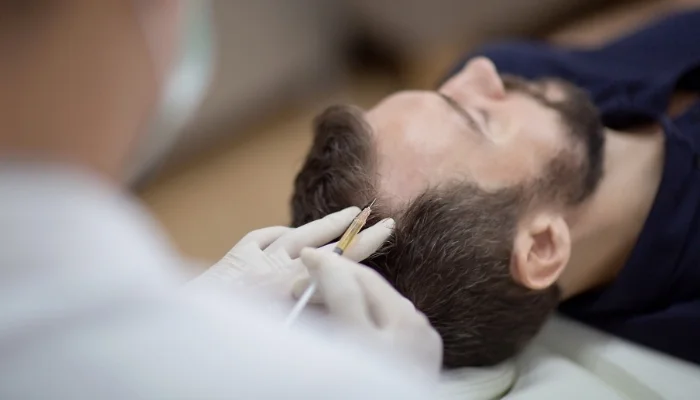
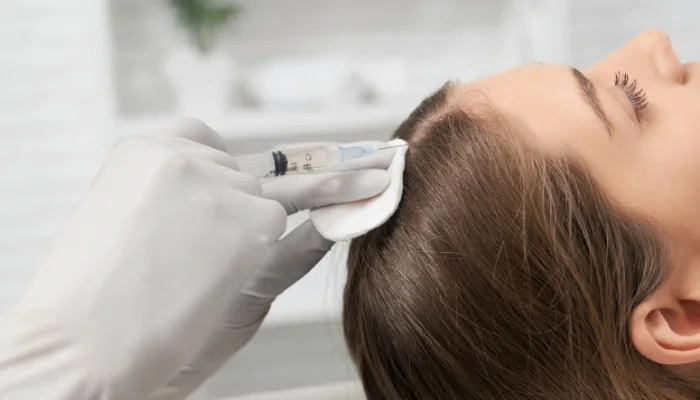
Injectable Hair Restoration Therapies
Certain patients may benefit from injectable treatments that aim to stimulate weakened follicles and improve the overall scalp environment. These therapies are generally considered when follicles remain viable but require biological stimulation.
Surgical Hair Restoration
When follicles have permanently stopped producing hair, transplantation becomes the most reliable method of restoring hair density by relocating healthy follicles from donor areas to regions affected by permanent hair loss.
What Should You Expect During Hair Restoration Treatment?
The treatment journey varies depending on the underlying cause of hair loss. For patients undergoing non-surgical treatment, appointments generally involve regular assessment of progress, adjustments in medications where necessary, and monitoring of hair growth over time.
Patients undergoing hair transplantation usually have the procedure performed under local anaesthesia as a day-care surgery. The procedure generally includes:

One of the most important aspects of hair restoration is understanding the timeline of recovery.
New hair generally begins appearing between three and four months after surgery.
Immediately after treatment, mild swelling, redness, or small crusts may develop around treated areas. These typically improve within one to two weeks.
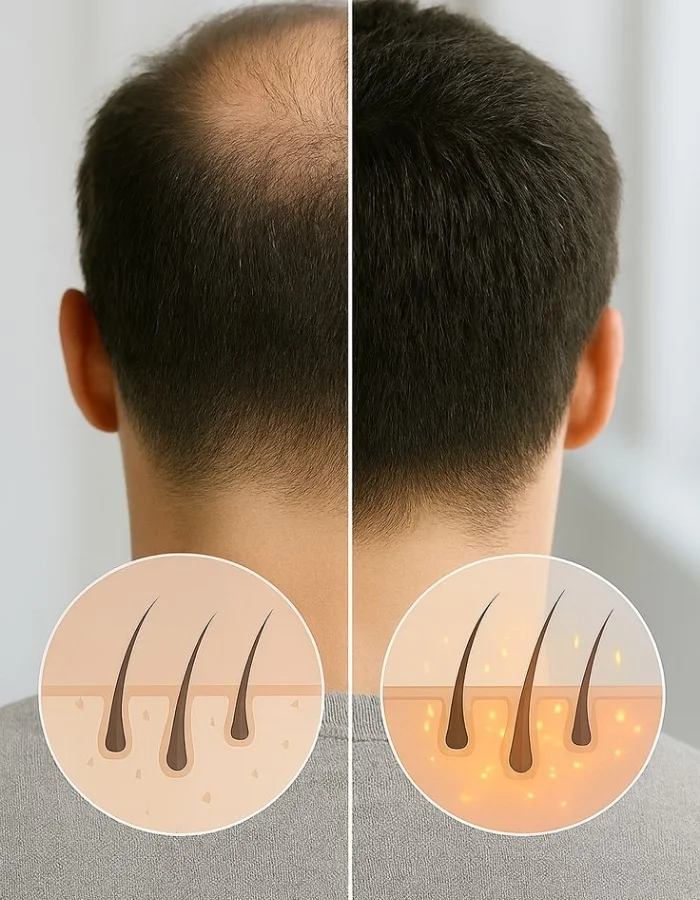
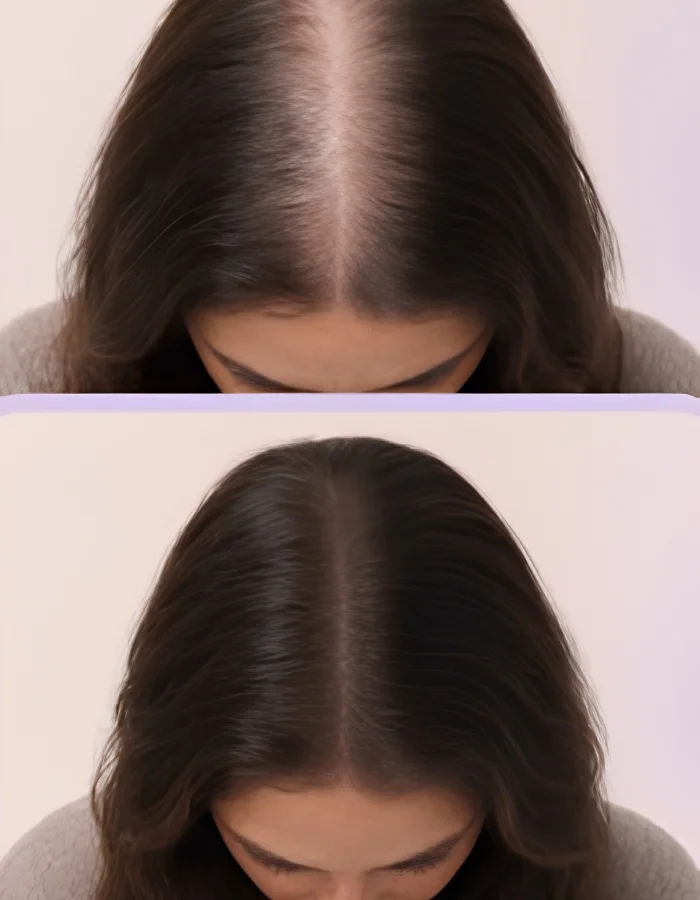
Hair gradually becomes thicker over the following months, with noticeable improvement continuing up to 9-12 months.
Because hair grows slowly, patience plays an important role throughout recovery.
Patients who undergo transplantation often notice hairs shedding during the first month. Although this can appear concerning, it represents a normal stage of growth cycle.
Why Patients Trust Dr. Apurva Samant for Hair Loss Restoration in Mumbai
Hair restoration is not simply about replacing lost hair it begins with understanding why the hair loss has occurred and choosing the most appropriate treatment at the right stage. As a board-certified Plastic & Cosmetic Surgeon with advanced fellowship training in hair restoration, Dr. Apurva Samant combines medical evaluation with surgical expertise to help patients make informed treatment decisions.
Rather than recommending a single solution for every patient, Dr. Samant carefully assesses the pattern of hair loss, scalp health, donor hair quality, medical history, and future progression before advising a treatment plan. This measured approach helps determine whether medications, regenerative therapies, or hair transplantation are likely to offer the most meaningful improvement.
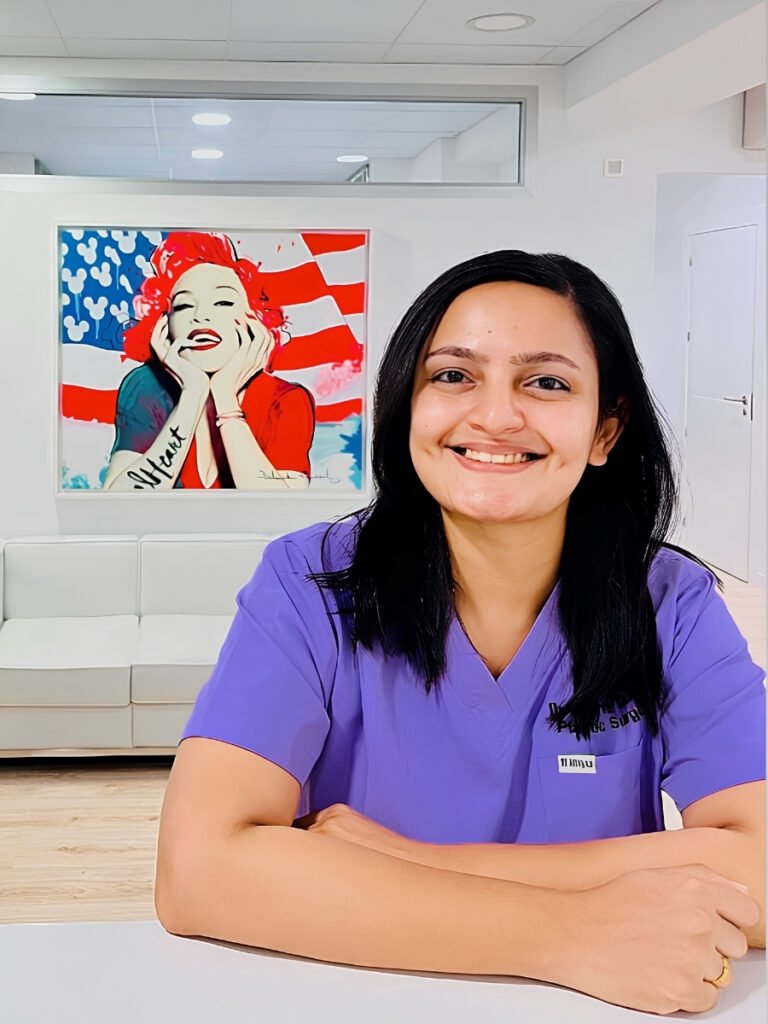
Whether your concern involves early hair thinning, progressive pattern baldness, or exploring hair transplantation, Dr. Apurva Samant provides a comprehensive evaluation to help you understand the cause of your hair loss and the treatment options that are most appropriate for your condition. Her goal is to restore hair in a way that appears natural, complements your facial features, and remains balanced over time.
FAQs About Hair Loss Restoration in Mumbai
Is every patient with hair loss a candidate for hair transplant surgery?
No. Many patients improve with medical therapy or injectable treatments. Surgery is recommended only when permanent follicular loss has occurred and sufficient donor hair is available.
How long does it take to see visible improvement?
The timeline depends on the treatment. Medical therapies may require several months before noticeable improvement. After transplantation, new hair usually begins growing after three to four months, with continued improvement for up to one year.
Can women undergo hair restoration treatment?
Yes. Women experiencing pattern hair loss, hormonal hair thinning, or certain other forms of hair loss may benefit from medical or surgical treatment following a detailed evaluation.
Is hair restoration permanent?
Transplanted follicles generally continue growing because they are taken from areas resistant to pattern baldness. However, existing native hair may continue thinning with age, making long-term maintenance important.
Will the restored hair look natural?
When the hairline is carefully planned and follicles are implanted according to natural growth patterns, restored hair blends naturally with the surrounding hair.
Is there any downtime after treatment?
Recovery depends on the treatment performed. Most patients resume routine activities within a few days after hair transplant surgery, while non-surgical treatments usually involve minimal interruption to daily life

Consult Dr. Apurva Samant to discuss your concerns, understand the cause of your hair loss, and explore evidence-based treatment options that are appropriate for your scalp, hair pattern, and long-term goals