
Hair Transplantation in Mumbai
Restoring Hair Naturally Begins with Careful Planning, Not Just Surgery
Hair loss can gradually change the way you look and feel, especially when thinning becomes permanent. While medications and non-surgical treatments may help slow hair loss in many individuals, they cannot restore hair in areas where follicles are no longer active. In such cases, Hair Transplantation in Mumbai offers a long-term solution by relocating healthy hair follicles to areas affected by permanent hair loss.
At Dr. Apurva Samant’s practice, hair transplantation is approached as a carefully planned surgical procedure rather than a cosmetic shortcut. Every patient undergoes a detailed evaluation to understand the pattern of hair loss, assess donor hair quality, and determine whether surgery is the right option. The focus is on restoring hair in a way that complements your facial features, blends naturally with existing hair, and continues to look balanced over time.
Hair Transplantation Is Designed to Restore Hair That No Longer Grows Naturally
Hair transplantation is a surgical procedure that involves transferring healthy hair follicles from one part of the scalp typically the back or sides of the head to areas where hair has permanently thinned or disappeared. Since the transplanted follicles come from regions that are naturally resistant to pattern hair loss, they continue to grow in their new location after healing.
Unlike temporary cosmetic solutions, a hair transplant uses your own living hair follicles, allowing the restored hair to grow, be trimmed, washed, and styled naturally. While the procedure can improve hair density and redefine the hairline, achieving a natural result depends on thoughtful planning, surgical precision, and realistic expectations.
Who Can Benefit from Hair Transplantation?
Hair transplantation is generally recommended for individuals with permanent hair loss who have healthy donor hair available for transplantation. It can be an effective option for both men and women after a comprehensive clinical assessment. People who may benefit from the procedure include:
Male Pattern Baldness

Female Pattern Hair Loss

Receding Hairline
Crown Baldness
Hair Loss Due to Burns or Injuries
Hair Loss Around Surgical Scars

Beard or Eyebrow Restoration

Stable Hair Loss After Medical Treatment
A detailed consultation helps determine whether hair transplantation is the most appropriate option or whether other treatments should be considered first.
When Should You Consider a Hair Transplant?
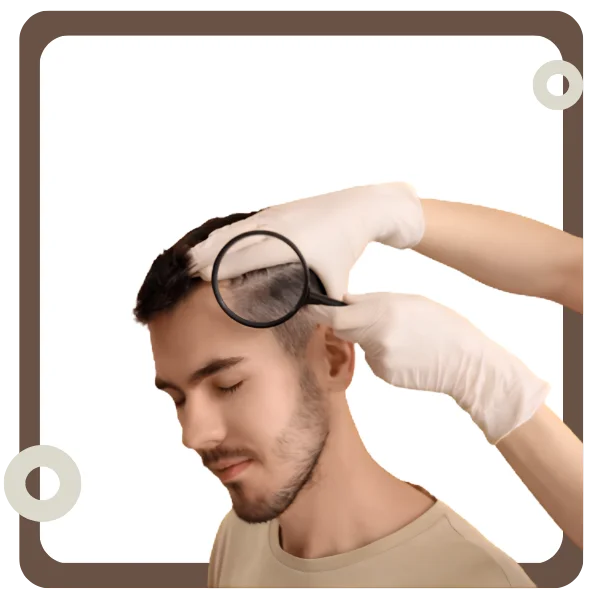
Many people wonder whether they should continue with medications or consider surgery. While there is no single answer, hair transplantation is generally considered when hair follicles have permanently stopped producing healthy hair and sufficient donor hair is available. You may consider consulting a specialist if you notice:
Every Hair Transplant Is Planned Around the Individual Not Just the Hair Loss
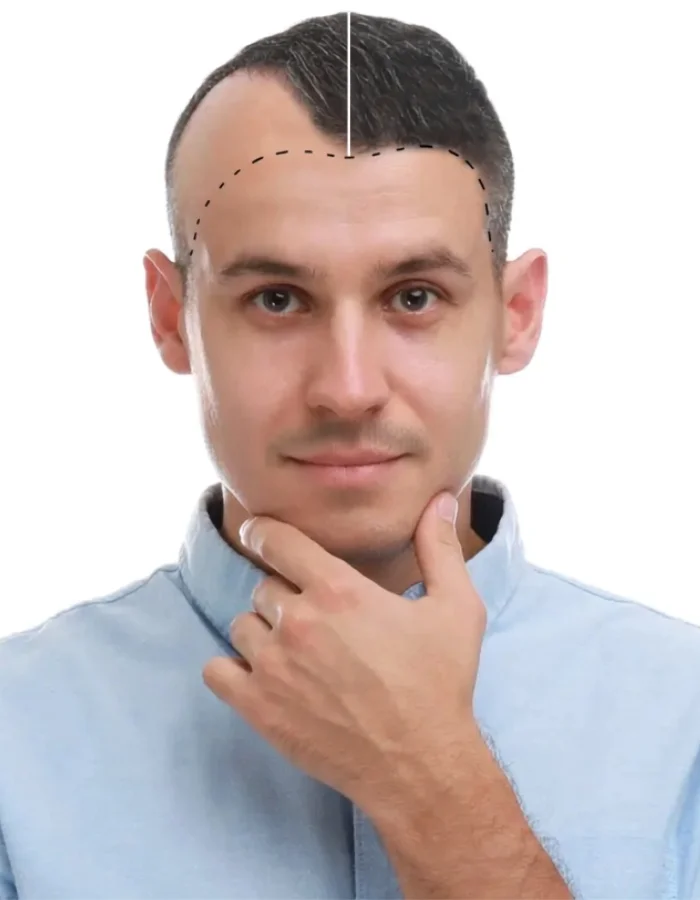
The planning stage plays a vital role in achieving a natural-looking outcome. A successful hair transplant is not simply about covering bald areas it is about creating a hairline and density that suit your facial features today while remaining appropriate as you age. Before surgery, Dr. Apurva Samant carefully plans:
The position and shape of the hairline.
Preservation of donor hair for future needs.
The number of grafts required.
The natural angle and direction of hair growth.
Facial proportions and overall symmetry.
The distribution of grafts for balanced density.
Understanding What Happens During Hair Transplantation
Hair transplantation is usually performed as a day-care procedure under local anaesthesia, allowing patients to return home on the same day. The exact surgical technique is planned according to the individual’s hair loss pattern, donor area, and treatment goals.
Throughout the surgery, careful handling of the follicles and precise placement help support healthy graft survival and encourage natural hair growth after transplantation.
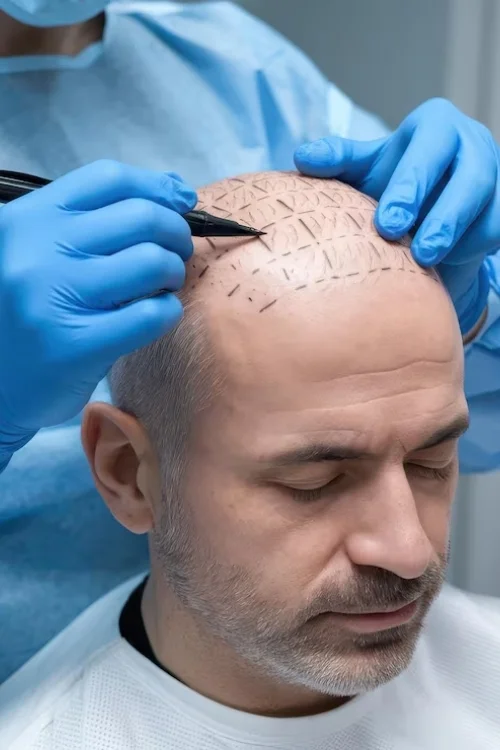
The procedure generally includes the following steps:
- Preparing the donor and recipient areas.
- Harvesting healthy follicular grafts.
- Examining and preserving each graft carefully.
- Creating tiny recipient sites based on the planned hairline.
- Implanting the grafts with attention to natural angle and direction.
- Performing a final assessment before completing the procedure.
Hair Growth Takes Time After Hair Transplantation
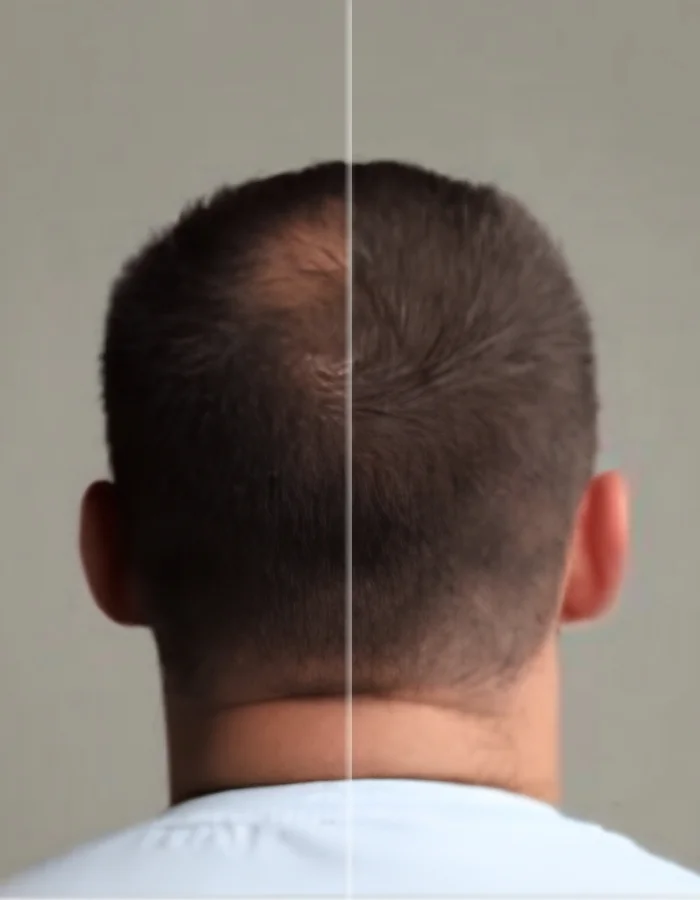
One of the most important aspects of hair transplantation is understanding that results develop gradually. While the procedure itself is completed in a single session, the transplanted follicles require time to heal, establish a blood supply, and enter a new growth cycle.
In the days following surgery, mild swelling, redness, or tenderness around the treated areas is common and usually settles with proper care. Tiny crusts may form around the implanted grafts and typically resolve within one to two weeks.
Many patients notice that the transplanted hairs shed within the first month. Although this can be unexpected, it is a normal part of the process. The follicles remain healthy beneath the skin and gradually begin producing new hair.
First Week
Mild swelling, redness, and small scabs around the grafts.
Two Weeks
Most visible signs of healing continue to improve.
One Month
Temporary shedding of transplanted hairs may occur.
Three to Four Months
New hair growth gradually begins.
Six to Nine Months
Hair becomes thicker, longer, and more noticeable.
Nine to Twelve Months
Continued maturation and improvement in overall density.
Several Factors Influence the Final Outcome
Every individual has unique hair characteristics, healing patterns, and treatment goals. While a carefully performed procedure can restore hair effectively, the final result is influenced by several factors beyond the surgery itself.
Donor Hair Quality – Healthy donor follicles provide the foundation for successful transplantation and influence the overall coverage that can be achieved.
Hair Thickness – Thicker hair shafts often create the appearance of greater density and coverage compared to finer hair.
Curl Pattern – Naturally wavy or curly hair may provide better visual coverage than very straight hair.
Hair Colour – The contrast between hair colour and scalp colour can affect how dense the hair appears after transplantation.
Post-Operative Care – Following the recommended aftercare instructions plays an important role in protecting newly transplanted grafts.
Healing Response – Individual healing characteristics can influence graft survival and the overall recovery process.
Extent of Existing Hair Loss – The amount of hair already lost affects graft distribution and long-term planning.
Lifestyle Factors – Smoking, poor nutrition, and certain medical conditions may affect healing and hair growth.
Why Patients Trust Dr. Apurva Samant for Hair Transplantation in Mumbai
Hair transplantation combines surgical precision with aesthetic planning. Achieving a natural-looking result requires more than simply transplanting a large number of grafts it involves understanding facial proportions, designing an appropriate hairline, preserving donor hair, and planning for future changes in hair growth.
As a Board-Certified Plastic & Cosmetic Surgeon with advanced fellowship training in hair restoration, Dr. Apurva Samant approaches every hair transplant with a strong emphasis on careful evaluation and long-term planning. Each patient receives a detailed assessment before surgery is recommended, helping ensure that the treatment plan is based on clinical findings and realistic expectations.
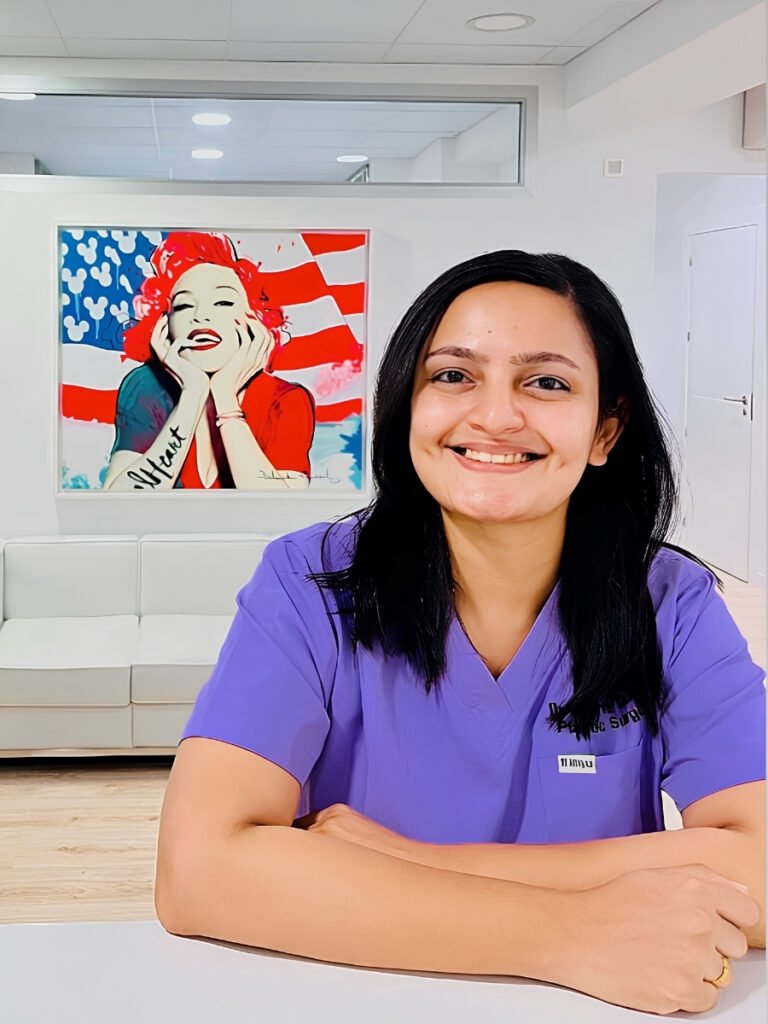
Whether you are considering hair transplantation for a receding hairline, crown thinning, or permanent hair loss caused by scarring, Dr. Apurva Samant provides a comprehensive evaluation to help determine whether surgery is the right option for you.
Frequently Asked Questions About Hair Transplantation in Mumbai
Is hair transplantation a permanent solution?
Transplanted hair follicles are usually taken from areas resistant to pattern baldness and continue growing after transplantation. However, surrounding natural hair may continue to thin with age.
Will my hair transplant look natural?
A natural result depends on careful hairline design, graft placement, and matching the natural direction of hair growth. These factors are planned before surgery.
Is the procedure painful?
Hair transplantation is typically performed under local anaesthesia. Mild discomfort or tightness may occur during recovery but generally improves within a few days.
When will I start seeing new hair growth?
Most patients begin noticing new hair growth approximately three to four months after surgery, with continued improvement over the following months.
How long does the procedure take?
The duration varies depending on the number of grafts being transplanted. Most procedures are completed within a single day.
Can women undergo hair transplantation?
Yes. Selected women with suitable patterns of permanent hair loss may be candidates for transplantation after a detailed evaluation.

Take the First Step Towards Hair Restoration
Schedule a consultation with Dr. Apurva Samant to discuss your concerns, explore your treatment options, and receive a comprehensive assessment for Hair Transplantation in Mumbai.A clear diagnosis and thoughtful surgical plan are the foundation of achieving natural, long-lasting results.